At the very top of the list of respiratory threats is a microscopic, highly aggressive bacterium known as Streptococcus pneumoniae. This single pathogen is responsible for a devastating array of childhood diseases, from severe ear infections to life-threatening lobar pneumonia and bacterial meningitis.
To combat this, the global medical community relies on the Pneumococcal Conjugate Vaccine (PCV). It is a mandatory, life-saving component of your baby’s routine 6-week immunization schedule. However, not all pneumococcal vaccines are created equal. The national government program provides a baseline defense, but modern pediatric science has developed vastly superior, broader-spectrum upgrades available in the private sector. Furthermore, if your child has missed their routine PCV doses, navigating the complex age-based catch-up schedule requires expert pediatric guidance.
At JJ Medics in Margalla Town Phase 2, Islamabad, Dr. Junaid Jahangir Abbasi believes that empowering parents with deep, scientific knowledge is the first step in providing world-class pediatric care.
In this comprehensive, 2500-word pillar article, we will meticulously unpack the pathology of pneumococcal disease. We will explain the fascinating "conjugate" science behind the vaccine, detail the exact differences between the government's PCV10 and the private sector's PCV13 (Prevenar 13), and provide the official, age-specific catch-up protocols to ensure your child’s lungs and brain are permanently protected.
The Invisible Threat: Understanding Pneumococcal Disease
To truly understand the value of the PCV vaccine, we must examine the enemy it is designed to defeat. Streptococcus pneumoniae (commonly referred to as pneumococcus) is a highly contagious bacterium that colonizes the human respiratory tract. It is spread through the air via respiratory droplets when an infected person coughs, sneezes, or even speaks in close proximity to an infant.
While many adults carry this bacterium in their noses and throats without ever getting sick, an infant's naive, developing immune system is no match for it. Once the bacterium breaches the infant's respiratory defenses, it can cause invasive and non-invasive pneumococcal diseases.
1. Lobar Pneumonia (Lung Infection)
This is the most common severe manifestation of the disease. The bacteria travel down the windpipe and aggressively attack the lower lungs. The tiny air sacs (alveoli) where oxygen exchange occurs become massively inflamed and fill with fluid and pus. The infant develops a high fever, a severe cough, and extreme difficulty breathing, often displaying "chest indrawing" (where the skin under the ribs sucks inward with every desperate breath). Without rapid antibiotic intervention and oxygen support, pneumococcal pneumonia can be fatal.
2. Bacterial Meningitis (Brain Infection)
If the pneumococcal bacteria enter the bloodstream (bacteremia) and travel to the brain, they can cross the blood-brain barrier. They attack the meninges, the delicate protective membranes surrounding the brain and spinal cord. Pneumococcal meningitis is catastrophic. It causes intense neurological inflammation, seizures, and a bulging fontanelle (the soft spot on a baby's head). Even if the child survives, they frequently suffer permanent neurological damage, including profound deafness, developmental delays, and cerebral palsy.
3. Sepsis (Blood Infection)
When the bacteria multiply rapidly within the bloodstream, they trigger a massive, overwhelming systemic inflammatory response. Sepsis can cause a rapid drop in blood pressure, leading to multiple organ failure (kidneys, liver, and heart) in a matter of hours.
4. Acute Otitis Media (Severe Ear Infections)
While not generally fatal, pneumococcus is the leading cause of painful middle ear infections in toddlers. The bacteria travel up the Eustachian tube, causing fluid and pressure to build behind the eardrum, leading to agonizing pain, sleepless nights, and in severe recurrent cases, temporary or permanent hearing loss.
The Science of PCV: Unmasking the Bacteria
The Pneumococcal Conjugate Vaccine (PCV) is a masterpiece of biochemical engineering.
The pneumococcal bacterium is a master of disguise. It surrounds itself with a thick, slippery outer capsule made of complex sugars (polysaccharides). When the bacteria enter a baby's body, the baby's immature immune system (specifically the T-cells) cannot "see" through this sugar coating. The bacteria slip past the immune defenses completely undetected until they have multiplied to dangerous levels.
What Does "Conjugate" Mean?
To solve this, scientists invented "conjugate" technology. In the laboratory, they extract the slippery sugar coating from the pneumococcal bacteria. Because the baby's immune system ignores the sugar alone, the scientists conjugate (chemically attach) this sugar to a very strong, highly recognizable carrier protein (usually a harmless version of the diphtheria toxin).
When this conjugated vaccine is injected into your baby's thigh, the baby's immune system instantly recognizes the strong carrier protein. It attacks the protein, and in doing so, it is forced to process and recognize the attached sugar coating as well.
The baby's immune system is successfully trained to build lifelong antibodies against the bacterium's sugar disguise. The next time the real pneumococcal bacteria enter your child's lungs, the immune system rips off the disguise and destroys the bacteria instantly.
The Crucial Upgrade: PCV10 vs. PCV13 (Prevenar 13)
One of the most important decisions a parent makes during their 6-week clinical consultation at JJ Medics involves choosing which specific pneumococcal vaccine to administer.
There are over 90 different strains (serotypes) of the pneumococcal bacterium in the wild. Vaccines are numerically graded based on how many of the deadliest strains they protect against.
The Government Standard: PCV10 (Synflorix)
The national Expanded Programme on Immunization (EPI) provides PCV10 free of charge. As the name suggests, PCV10 protects against 10 specific strains of the pneumococcal bacteria. It provides an excellent baseline of defense and has successfully reduced the burden of pneumonia across Pakistan.
The Epidemiological Gap in Pakistan
However, extensive clinical surveillance and nasopharyngeal carriage studies conducted in Pakistan have revealed a highly concerning trend. While PCV10 has successfully suppressed ten strains, nature abhors a vacuum. Other strains have aggressively risen to take their place.
Specifically, epidemiological data shows that two highly virulent and drug-resistant bacterial strains—Serotype 6A and Serotype 19A—are currently circulating heavily in Pakistan and are frequently responsible for severe cases of pediatric pneumonia and meningitis. PCV10 does not provide direct coverage against these two critical strains.
The Private Solution: Prevenar 13 (PCV13)
To bridge this dangerous immunological gap, private clinics like JJ Medics offer an upgraded, premium vaccine: PCV13 (marketed as Prevenar 13).
Prevenar 13 explicitly targets 13 bacterial strains. Most importantly, it includes robust, direct protection against the aggressive Serotypes 3, 6A, and 19A.
Priced at approximately Rs. 9,180 per dose, upgrading to Prevenar 13 is a profound investment in your child's respiratory and neurological health. By utilizing PCV13 instead of the government's PCV10, Dr. Junaid Jahangir Abbasi ensures your infant is shielded by the broadest, most comprehensive pneumococcal defense available in modern pediatric medicine today.
The Routine PCV Schedule in Pakistan
To ensure an infant's bloodstream is fully saturated with protective antibodies during their most vulnerable months, the administration of PCV (whether PCV10 or the upgraded PCV13) follows a highly structured, chronological schedule.
Routine Schedule (Under 1 Year Old):
Dose 1: Administered at 6 weeks of age.
Dose 2: Administered at 10 weeks of age.
Dose 3: Administered at 14 weeks of age.
The Golden Spacing Rule: Just like the Pentavalent/Hexaxim vaccines, these three primary doses must be separated by a minimum interval of ≥ 4 weeks (28 days). This specific chronological gap ensures the baby’s B-cells have adequate time to fully process the conjugate proteins and prepare for the next booster.
At JJ Medics, these three doses of Prevenar 13 are seamlessly administered alongside the painless Hexaxim and oral Rotavirus drops during your 6, 10, and 14-week visits.
Missed Doses? The Exact PCV Catch-Up Protocol
If a child misses their scheduled pneumococcal vaccines, they are left exceptionally vulnerable to respiratory infections. However, the catch-up schedule for PCV is entirely unique compared to other vaccines.
As a child grows and their natural immune system matures, their innate susceptibility to certain pneumococcal strains begins to change. Because of this immunological maturation, older toddlers actually require fewer doses of PCV to achieve full immunity than a newborn does.
If you are behind schedule, never restart the series. We will simply pick up where you left off. Here is the exact protocol utilized at JJ Medics, based directly on the official Paediatric Catch-up Vaccination Schedule:
Catch-Up for Toddlers (1 to 2 Years Old)
If your child is between 12 and 24 months old and has completely missed their routine PCV vaccines (or only received a single dose in early infancy), the catch-up protocol is highly accelerated.
Requirement: An unimmunized toddler in this age bracket only requires 2 doses of the PCV vaccine, rather than the standard three.
The Interval: These 2 doses must be separated by a minimum gap of ≥ 4 weeks.
Action Plan: Dr. Junaid will administer Dose 1 of Prevenar 13 immediately. We will schedule you to return just one month later for Dose 2. After this second dose, your toddler is considered fully and permanently protected.
Catch-Up for Older Children (2 to 5 Years Old)
Once a healthy child passes their second birthday, their natural immune system is generally strong enough to combat most standard pneumococcal bacteria. Therefore, routine catch-up is approached differently.
Requirement: In the 2 to 5-year age bracket, PCV catch-up is mainly reserved for high-risk children.
Who is High Risk? This includes children with underlying chronic conditions, such as severe asthma, congenital heart disease, sickle cell disease, HIV, or those who are immunocompromised.
The Protocol: High-risk children in this age bracket require 2 doses, spaced ≥ 4 weeks apart. Dr. Junaid will perform a comprehensive pediatric evaluation to determine if your 3- or 4-year-old child falls into a high-risk category requiring this specific catch-up protocol.
The Cold Chain Reality: Protecting Prevenar 13 from the Freeze
Upgrading to the premium Prevenar 13 vaccine is a brilliant medical decision. However, that investment is instantly nullified if the clinic fails to protect the biological integrity of the vaccine.
Like the Pentavalent and Hexaxim vaccines, PCV is an inactivated, protein-based vaccine. To ensure it generates a massive immune response, biochemists mix the conjugated proteins with an aluminum adjuvant.
As we have repeatedly stressed in our educational guides, aluminum adjuvants are the Achilles heel of the cold chain. They are incredibly sensitive to cold temperatures.
The Threat of Agglomeration
If a standard domestic kitchen refrigerator is used to store vaccines (a dangerous practice common in substandard clinics), the temperature frequently fluctuates. If a vial of Prevenar 13 is placed in a zone that drops below 0°C, the vaccine freezes.
When it freezes, the microscopic aluminum particles undergo agglomeration. They permanently clump together into large, heavy masses. When the vaccine eventually thaws out, these clumps do not dissolve back into the liquid.
If a freeze-damaged PCV vaccine is injected into a baby’s thigh, the immune system cannot process the clumped proteins. The child receives zero immunity against pneumonia and meningitis. Furthermore, the large aluminum clumps remain trapped under the baby’s skin, causing a hard, painful, permanent nodule or a sterile abscess.
The JJ Medics Guarantee: WHO-Certified ILRs
You cannot visually determine if a vial of Prevenar 13 was previously frozen. You must rely entirely on the clinic's logistical infrastructure.
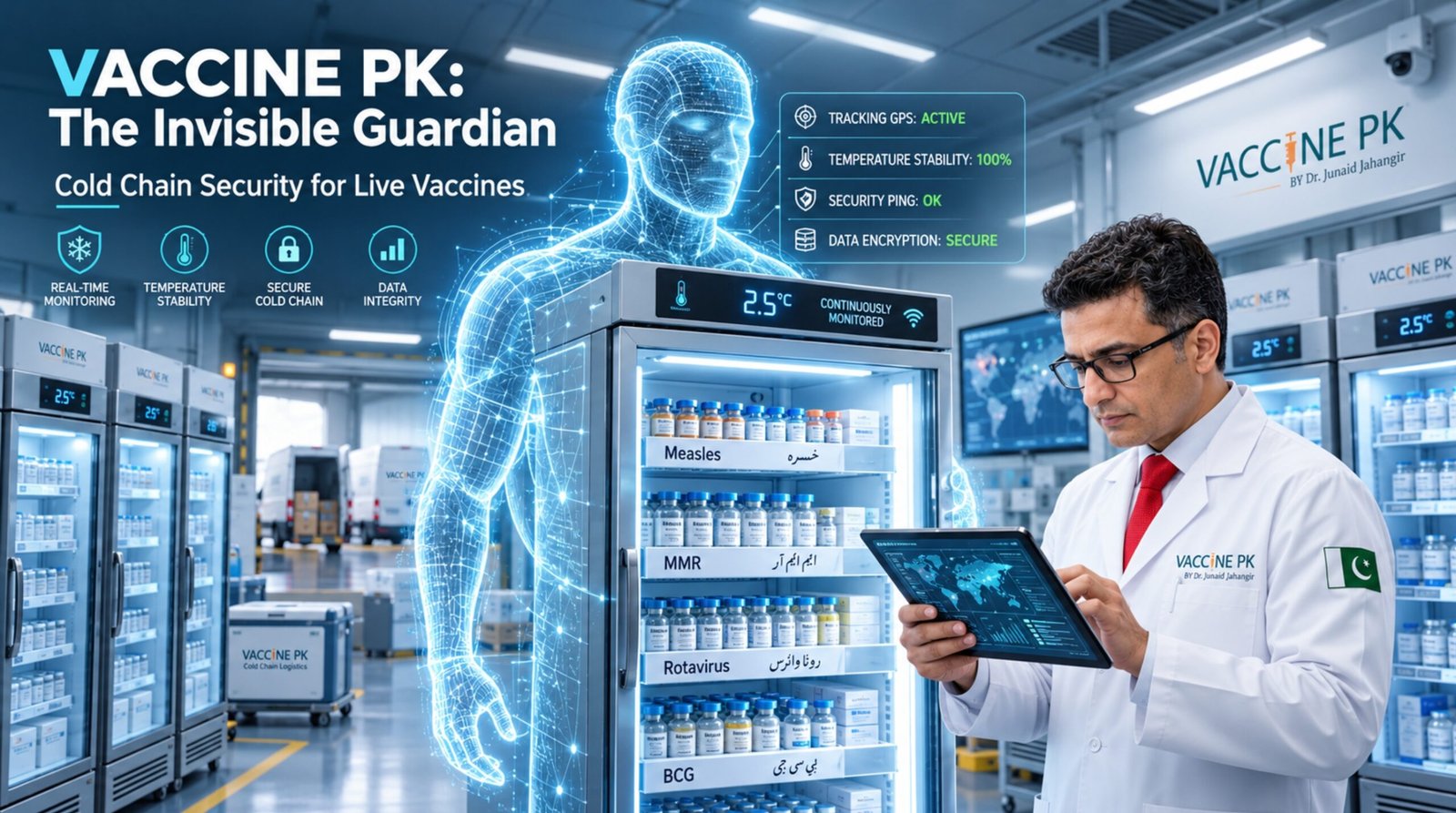
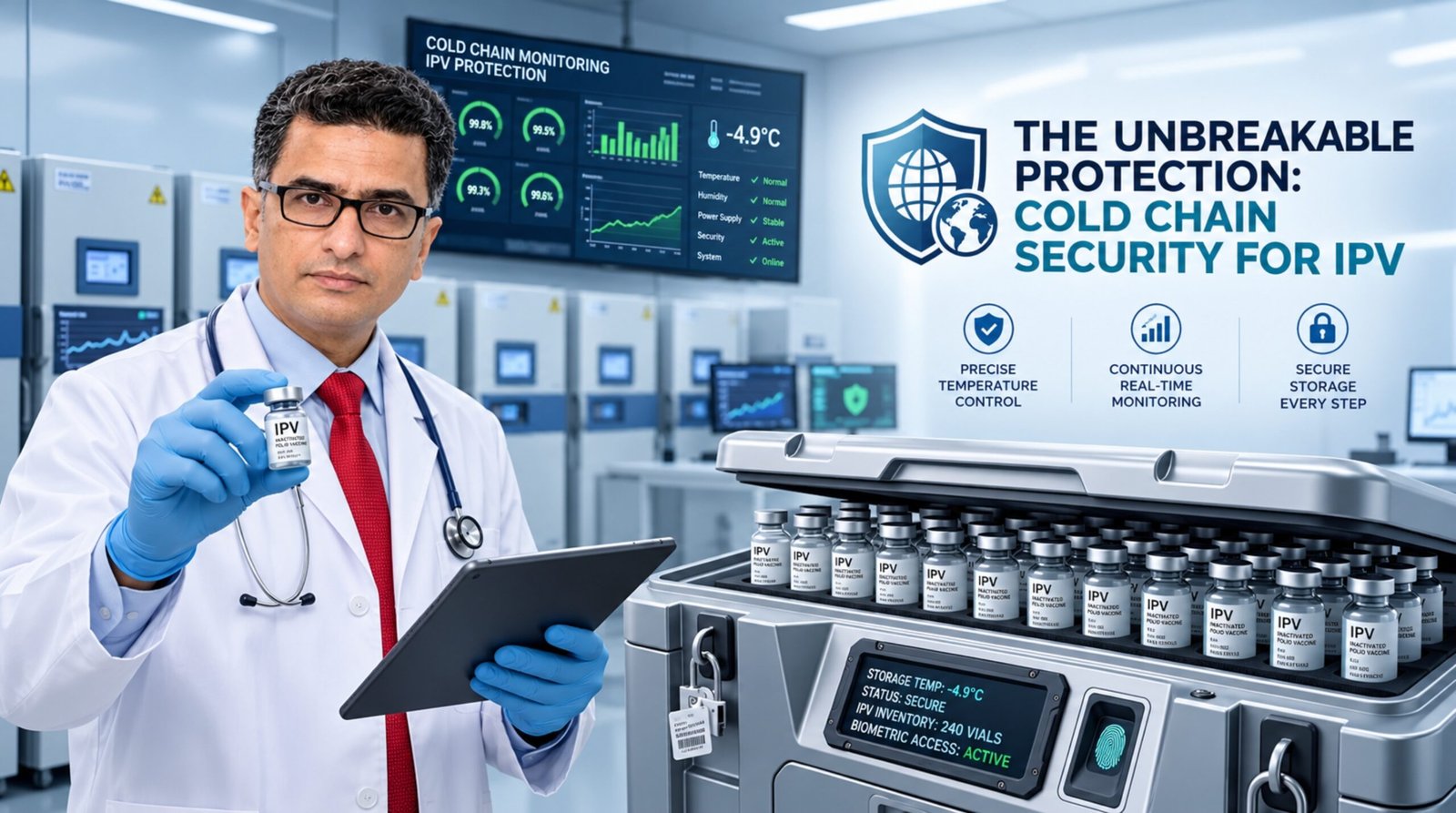
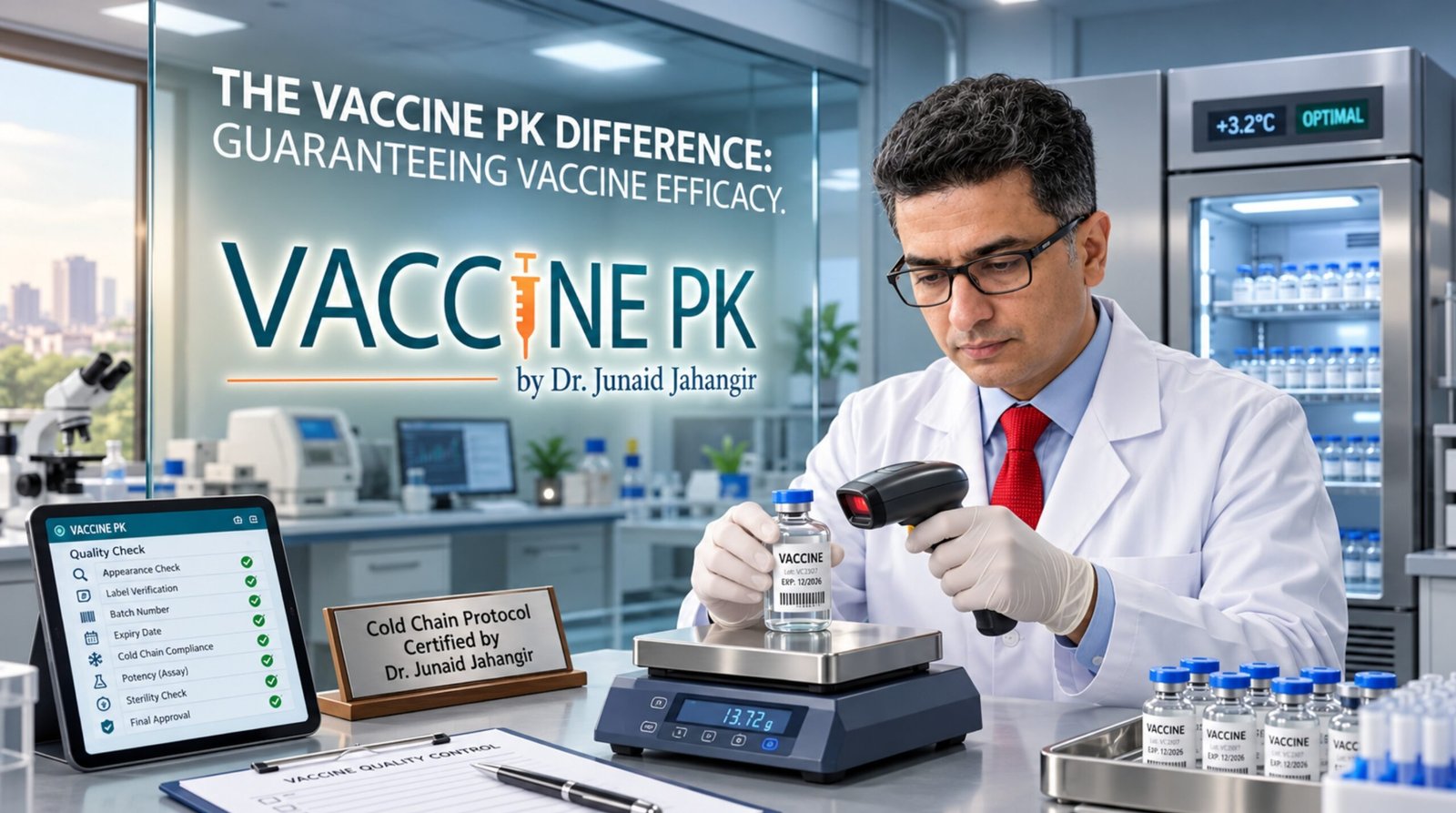
At JJ Medics, we have instituted a zero-compromise policy regarding cold chain management. We utilize advanced, medical-grade Ice-Lined Refrigerators (ILRs) fully certified by the World Health Organization (WHO).
These specialized units utilize thick polyurethane insulation and an internal lining of specialized ice packs to guarantee the internal temperature remains strictly locked in the safe zone of +2°C to +8°C. Even if the Islamabad power grid fails entirely, our ILRs (supported by a dedicated solar power system) will maintain this perfect thermal corridor for up to 15 hours.
Supported by continuous digital data loggers, we guarantee that the premium Prevenar 13 vaccine your child receives is 100% potent, safe, and biologically flawless.
Conclusion: Secure Your Child’s Respiratory Future
Breathing easily should never be a privilege; it is a fundamental biological right. The Pneumococcal Conjugate Vaccine (PCV) is the definitive medical shield ensuring that your child’s lungs and brain are protected against one of the most aggressive bacterial threats in Pakistan.
Navigating the nuances of pediatric immunization—from choosing the vastly superior, 13-valent protection of Prevenar 13 over the standard PCV10, to understanding the exact age-based requirements for a delayed catch-up schedule—requires partnership with dedicated pediatric experts.
By understanding the science, trusting in medically backed catch-up intervals (the rapid 2-dose protocol for toddlers), and choosing a clinic that prioritizes flawless, freeze-free cold chain security, you can effortlessly restore and upgrade your child’s defenses.
Don't leave your child unprotected against severe pneumonia and meningitis.
Whether your infant is due for their routine 6-week visit, or your toddler needs a customized catch-up plan, Dr. Junaid Jahangir Abbasi and the specialized team at JJ Medics are ready to help.
Location: Plot 20, Street 38, Margalla Town Phase 2, Islamabad.
In-Clinic Timings: Monday to Friday, 04:00 PM – 09:00 PM.
Video Consultations: Monday to Friday, 09:00 AM – 09:00 PM.
Book Your Appointment Now: Call us directly at 051-8151800 or use our integrated WhatsApp booking feature on VaccinePK.com to schedule your child's comprehensive pediatric evaluation.
]]>