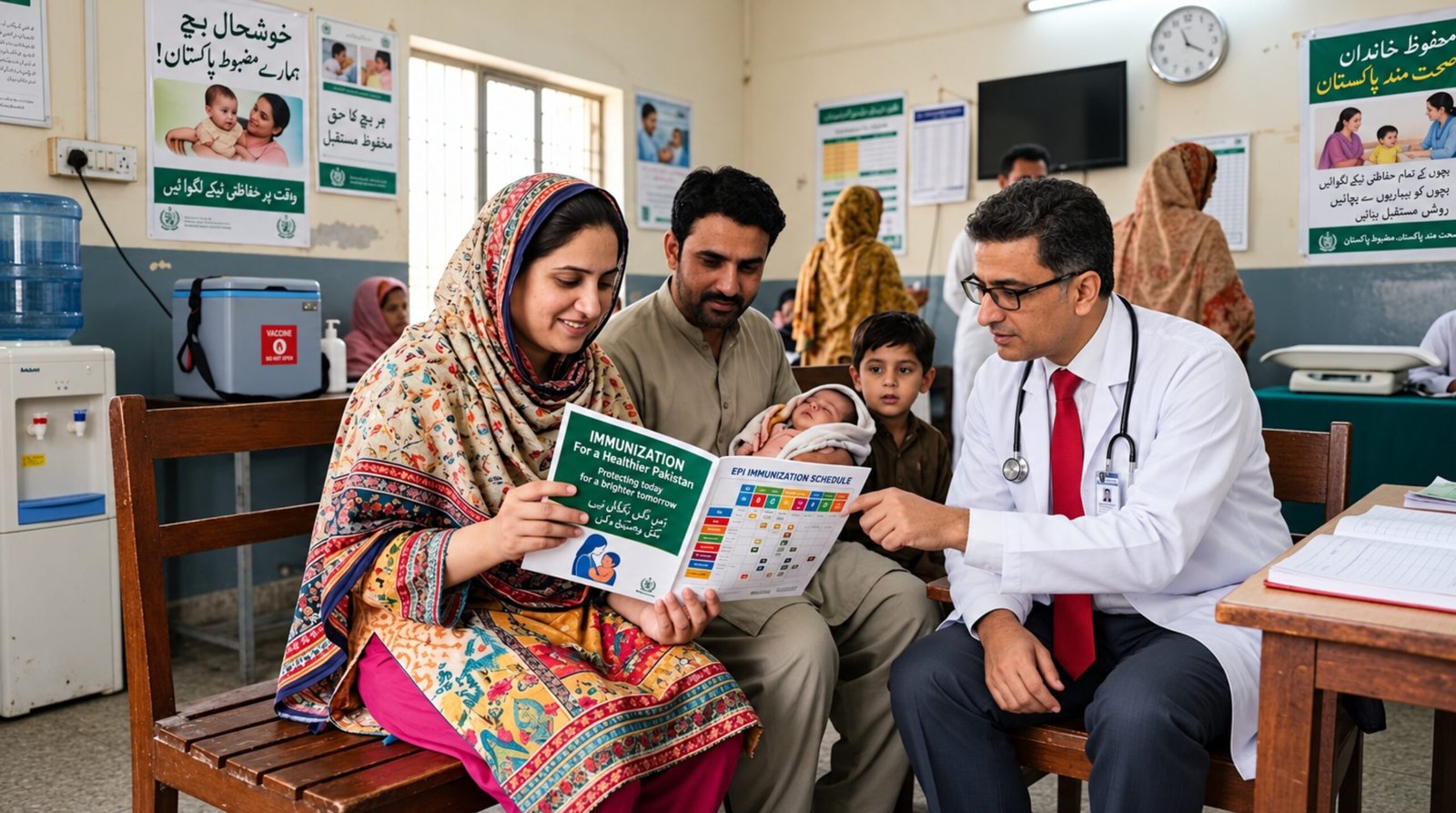
When you look at your baby’s vaccination card for the first time, it can feel like trying to read a foreign language. It is a dense grid filled with acronyms like BCG, OPV, PCV10, and MR. It lists different infant ages, specifies various target diseases, and dictates complex administration routes ranging from "intradermal" to "subcutaneous." For a sleep-deprived parent, trying to understand what is being injected into their child, why it is given at a specific age, and how it is administered can trigger immense anxiety.
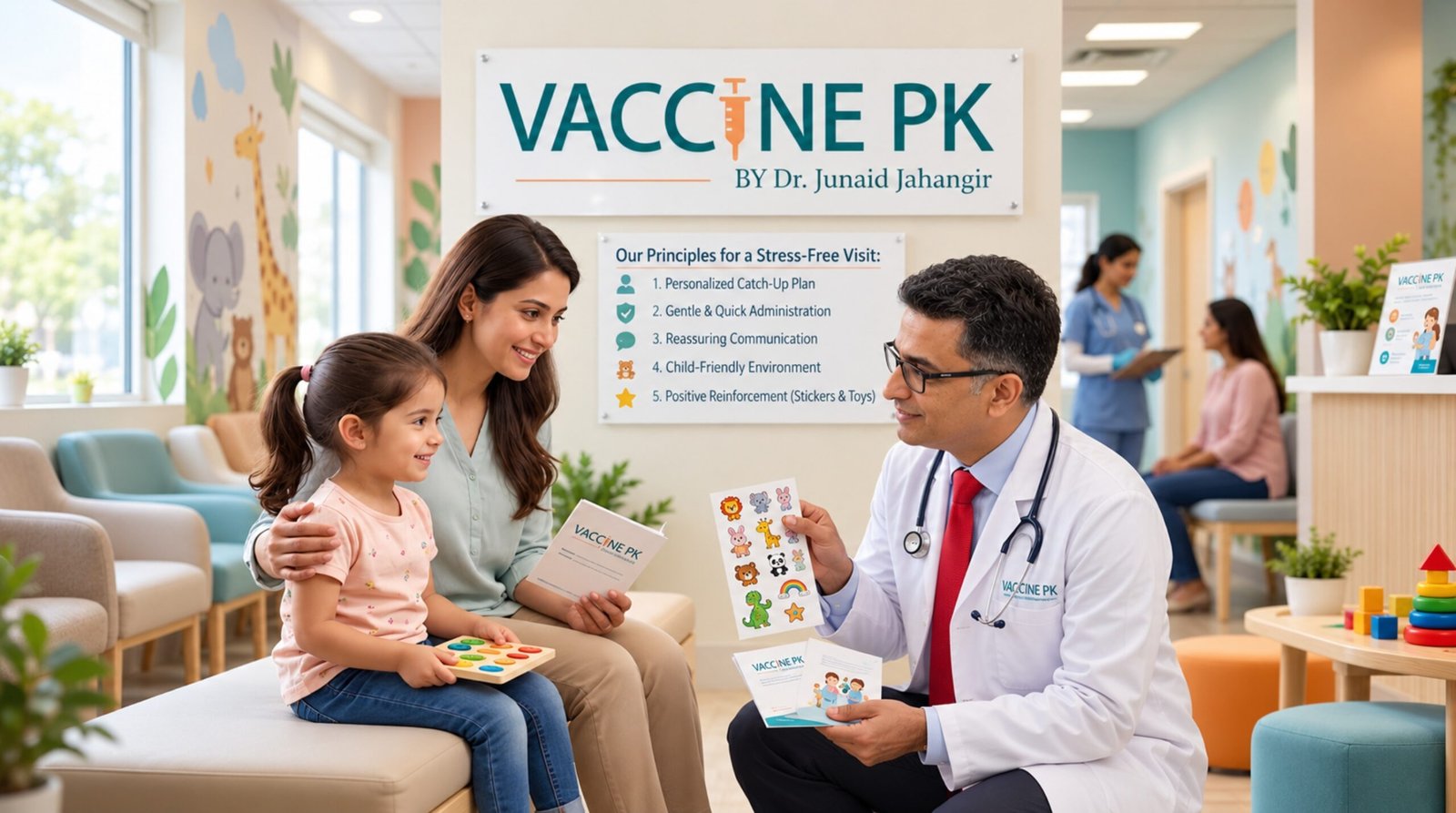
At JJ Medics, located in Margalla Town Phase 2, Islamabad, Dr. Junaid Jahangir Abbasi believes that parental anxiety is entirely cured by transparency and education. You should never feel confused about your child’s healthcare.
We are completely decoding the official Expanded Programme on Immunization (EPI) schedule used across Pakistan. We will break down the exact chronological timeline from birth to 15 months, clearly define the life-threatening target diseases each vaccine prevents, and thoroughly explain the medical reasoning behind every administration route. Finally, we will reveal how private clinics like JJ Medics upgrade this standard schedule with painless alternatives and superior cold chain security.
The Foundation: What is the EPI Schedule?
The Expanded Programme on Immunization (EPI) is a federally mandated public health initiative in Pakistan, originally launched in collaboration with the World Health Organization (WHO). Its primary mission is to provide universal, foundational immunity to infants across the nation against highly prevalent, life-threatening infectious diseases.
The schedule is mathematically and biologically calculated. The timing of every dose is precisely engineered to coincide with the exact moment a baby's maternal antibodies (passed down from the mother during pregnancy) begin to fade, ensuring the infant’s own immune system takes over before a dangerous gap in protection occurs.
Let us walk through this chronological timeline step-by-step, analyzing exactly what happens at each critical developmental milestone.
Phase 1: At Birth (The Immediate Shield)
The moment your baby is born, they exit the sterile, protected environment of the womb and enter a world filled with microscopic pathogens. Because their immune system is entirely naive, the first round of vaccines is administered immediately—ideally within the first 24 hours of life.
Vaccines Administered: BCG, OPV-0, and Hepatitis B.
Target Diseases: Tuberculosis (TB), Polio, and Hepatitis B.
Administration Routes: Intradermal, Oral, and Intramuscular.
The Medical Breakdown:
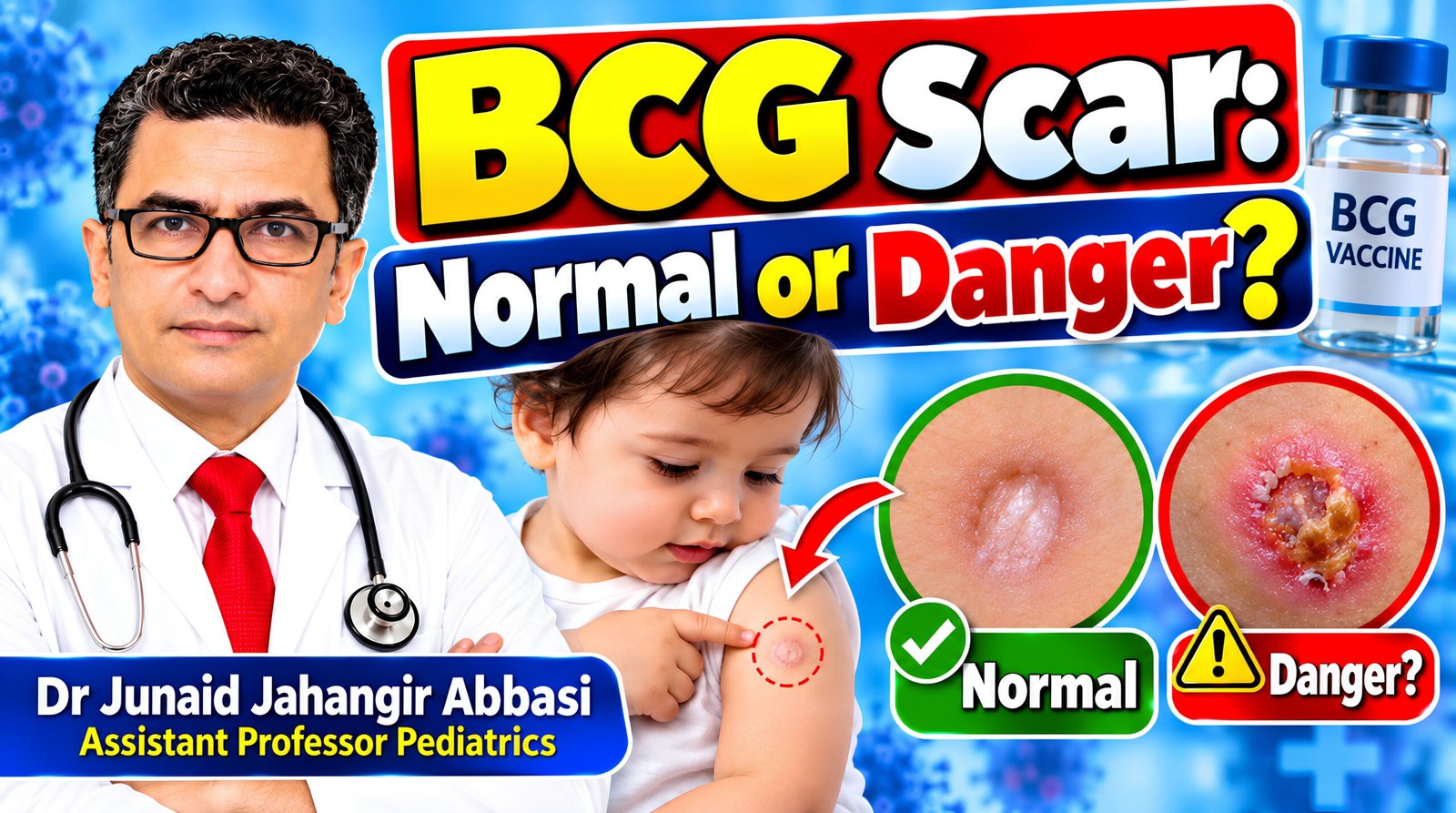
BCG (Bacillus Calmette–Guérin): This vaccine protects your newborn against severe, disseminated forms of Tuberculosis, including fatal TB meningitis. It is administered via the intradermal route, meaning it is injected using a tiny needle just under the very top layer of the skin on the left upper arm. This specific route creates a small blister that eventually heals into a permanent, lifelong scar, signaling robust cellular immunity.
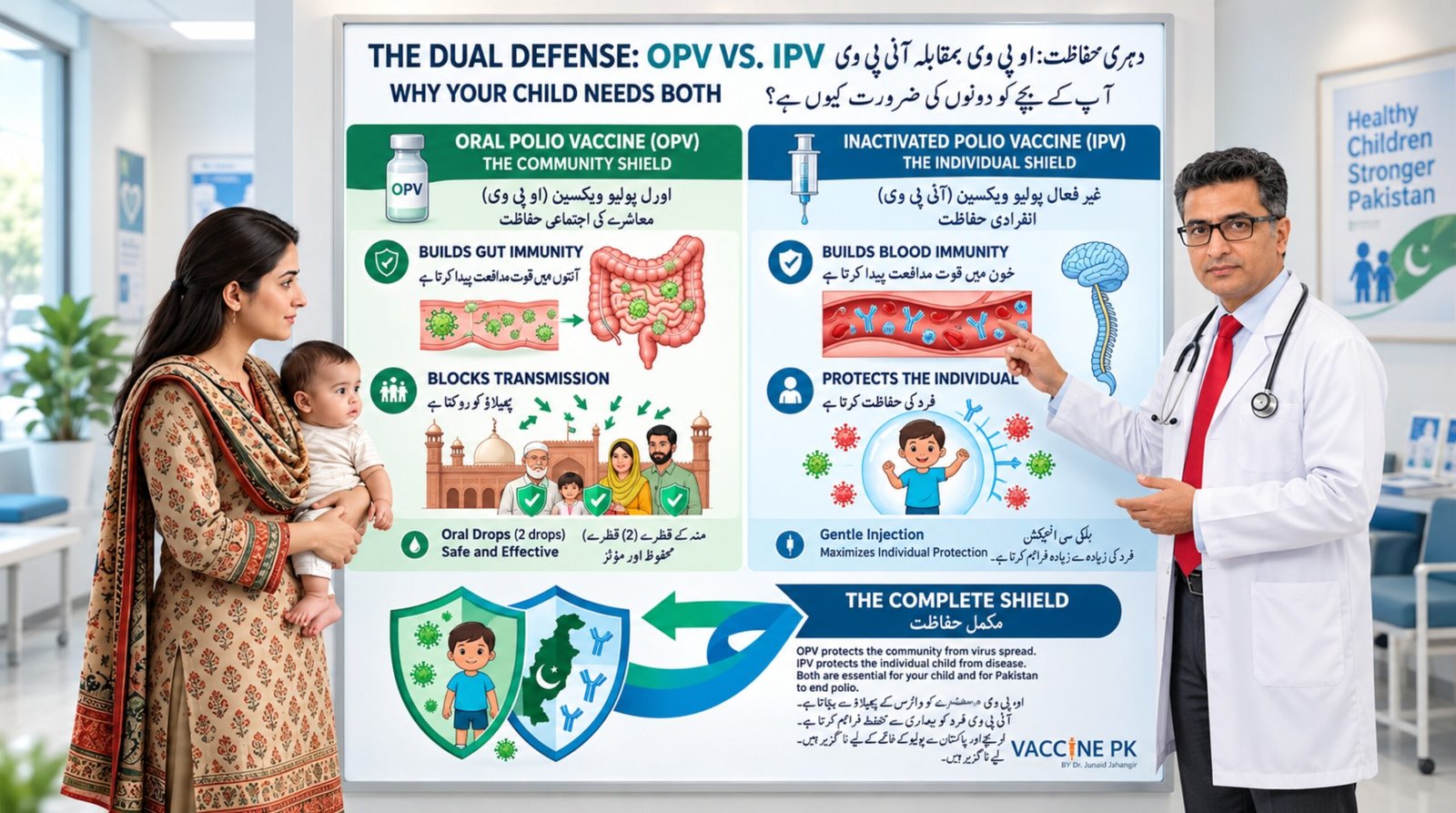
OPV-0 (Oral Polio Vaccine – Zero Dose): Pakistan remains endemic to the wild poliovirus, which causes irreversible paralysis. This "zero dose" is administered via the oral route (two pink drops squeezed directly into the baby's mouth). It travels to the gut to instantly build localized mucosal immunity.
Hepatitis B (Birth Dose): This virus causes chronic, lifelong liver disease and liver cancer. Because it can be transmitted from an unknowingly infected mother to her baby during the birthing process, this vaccine is given immediately to neutralize the threat. It is administered via the intramuscular route (injected deep into the thick muscle of the baby's anterolateral thigh) to rapidly build antibodies in the bloodstream.
Phase 2: The 6, 10, and 14-Week Core Series
As your baby reaches one and a half months of age, they enter the most intensive phase of the immunization schedule. This is when the core combination vaccines are introduced to build a massive, systemic biological shield.
The 6-Week and 10-Week Visits
At both 6 weeks and 10 weeks of age, your infant receives the exact same combination of life-saving immunizations to build and then boost their cellular memory.
EPI Vaccines Administered: Pentavalent (Doses 1 & 2), OPV (Doses 1 & 2), PCV10 (Doses 1 & 2), and Rotavirus (Doses 1 & 2).
Target Diseases: Diphtheria, Tetanus, Pertussis (Whooping Cough), Hepatitis B, Hib (Haemophilus influenzae type b), Polio, Pneumococcal Pneumonia, and severe Rotavirus Gastroenteritis.
Administration Routes: Intramuscular and Oral.
The Medical Breakdown:
During these visits, the baby receives oral drops for Polio and Rotavirus (preventing severe dehydrating diarrhea). They then receive two separate intramuscular injections into the thighs. The first is the Pentavalent vaccine (a 5-in-1 shot targeting Diphtheria, Tetanus, Pertussis, Hep B, and Hib). The second is PCV10, which targets ten strains of the pneumococcal bacterium responsible for severe lobar pneumonia and bacterial meningitis.
Private Upgrade Note: At JJ Medics, we replace the painful, fever-inducing Pentavalent vaccine with the premium, painless Hexaxim (DTaP) vaccine. We also replace the standard PCV10 with the upgraded Prevenar 13 (PCV13) to cover more dangerous strains of pneumonia.
The 14-Week Visit (The Polio Reinforcement)
The 14-week visit mimics the 6 and 10-week visits, but with one critical addition designed to reinforce the body's defense against paralysis.
EPI Vaccines Administered: Pentavalent-3, OPV-3, PCV10-3, and crucially, IPV-1.
Target Diseases: Same as 6 weeks + Inactivated Polio.
Administration Routes: Intramuscular and Oral.
The Medical Breakdown:
Alongside their third doses of Pentavalent, OPV, and PCV10, the government schedule introduces the Inactivated Polio Vaccine (IPV). Unlike the oral drops (which protect the gut), IPV is an intramuscular injection that builds IgG antibodies directly in the bloodstream. This ensures that if the poliovirus ever breaches the baby's intestines, it is destroyed in the blood before it can reach the spinal cord.
Private Upgrade Note: In the government schedule, adding IPV means the baby must endure three separate needle pricks in one day (Pentavalent, PCV10, and IPV). At JJ Medics, our painless Hexaxim vaccine is a 6-in-1 shot that already has IPV mixed inside it, saving your baby from an extra, unnecessary injection!
Phase 3: The 9-Month Transition
By nine months of age, your infant's borrowed maternal antibodies have naturally faded away, leaving them highly vulnerable to aggressive airborne viral threats and waterborne bacterial infections. This visit shifts the focus away from combination thigh injections and introduces new administration routes.
EPI Vaccines Administered: MR-1 and TCV.
Target Diseases: Measles, Rubella, and Typhoid.
Administration Routes: Subcutaneous and Intramuscular.
The Medical Breakdown:
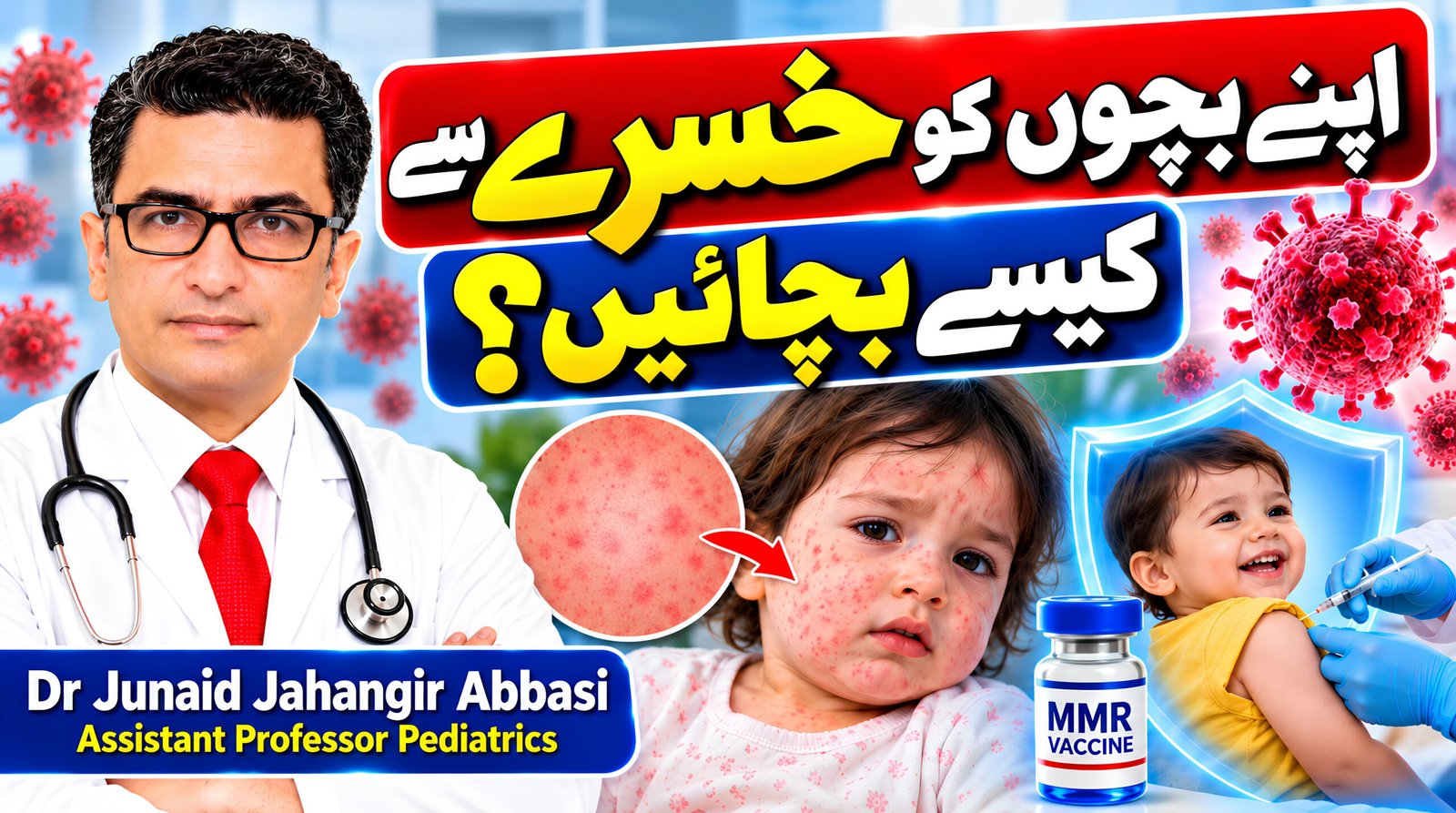
MR-1 (Measles and Rubella): Measles is an extraordinarily contagious airborne virus that causes severe neurological complications and pneumonia, while Rubella can cause birth defects if spread to pregnant women. This vaccine is administered via the subcutaneous route. Instead of going deep into the muscle, a shorter needle is used to inject the live vaccine into the fatty tissue layer situated between the skin and the muscle (usually on the outer upper arm). This layer is rich in immune cells that perfectly process live-attenuated viruses.
TCV (Typhoid Conjugate Vaccine): With the rise of Extensively Drug-Resistant (XDR) Typhoid in Pakistan, this vaccine is a lifesaver. It protects against severe food and waterborne typhoid fever. It is administered via the intramuscular route.
Private Upgrade Note: The government MR vaccine offers zero protection against Mumps, which is currently causing massive outbreaks in Islamabad and Rawalpindi. Dr. Junaid Jahangir Abbasi highly recommends upgrading this dose to the private MMR (Measles, Mumps, Rubella) vaccine.
Phase 4: The 15-Month Final Boosters
As your child transitions into a fully active toddler, their primary schedule concludes with vital booster doses. A booster is required to take the initial immunity built at 9 months and 14 weeks and lock it in for long-term, lifelong protection.
EPI Vaccines Administered: MR-2 and PCV10 Booster.
Target Diseases: Measles, Rubella, and Pneumococcal Pneumonia.
Administration Routes: Subcutaneous and Intramuscular.
The Medical Breakdown:
The toddler receives their second and final dose of the MR vaccine via the subcutaneous route on the arm, boosting their measles protection to over 97% efficacy. They also receive a final booster dose of the pneumococcal vaccine (PCV10) via the intramuscular route into the thigh or the deltoid muscle of the arm, ensuring their lungs and brain remain protected against aggressive bacterial strains as they begin to interact with other children in playgroups.
(At JJ Medics, this visit utilizes the MMR-2 booster and the Prevenar 13 booster).
Understanding the Science of Administration Routes
A common question Dr. Junaid Jahangir Abbasi receives from curious parents is, "Why are some vaccines given in the mouth, some in the skin, some in the fat, and some deep in the muscle? Does it really matter?"
It matters immensely. The administration route is not chosen randomly; it is dictated by the specific biochemical formulation of the vaccine and the exact type of immune response the body needs to generate.
Let us decode the four routes listed on your baby's vaccination chart:
1. Oral Route (OPV, Rotavirus)
How it is given: Sweet-tasting drops squeezed directly into the baby's mouth to be swallowed.
The Science: These vaccines protect against diseases that naturally invade the body through the digestive system (like the poliovirus and rotavirus). By sending live, weakened vaccine viruses directly into the gut, we trigger the mucosal lining of the intestines to produce specific Secretory IgA antibodies. This builds a localized "wall" in the stomach and intestines that neutralizes the real virus the moment it is swallowed, preventing it from ever entering the bloodstream.
2. Intramuscular (IM) Route (Pentavalent, PCV, Hep B, TCV)
How it is given: A longer needle is injected at a 90-degree angle deep into the thick, vascular muscle (the anterolateral thigh for infants, or the deltoid arm muscle for older children).
The Science: Vaccines that contain dead (inactivated) proteins or toxoids mixed with aluminum adjuvants must be given intramuscularly. Muscle tissue has an excellent, massive blood supply, which helps to rapidly distribute the vaccine antigens to the systemic immune system. More importantly, muscle tissue contains fewer pain-sensing nerves than the skin, and it safely absorbs the inflammatory aluminum adjuvants without causing massive skin irritation or severe abscesses.
3. Subcutaneous (SC) Route (MR, MMR)
How it is given: A shorter needle is injected at a 45-degree angle, pinching the skin to deliver the liquid into the adipose (fatty) tissue layer located just below the dermis and above the muscle.
The Science: Live-attenuated viral vaccines, like Measles and Rubella, do not contain aluminum adjuvants. They do not need the deep blood supply of the muscle. The subcutaneous fat layer allows for a slower, more sustained absorption of the live virus, which perfectly mimics a natural viral infection and gives the immune system the ideal amount of time to process the threat and build lifelong memory.
4. Intradermal (ID) Route (BCG)
How it is given: A very tiny needle is inserted at a nearly flat 10-to-15-degree angle, placing the vaccine into the dermis—the very thin layer just millimeters below the surface of the skin. It instantly forms a pale wheal (blister).
The Science: The dermis is incredibly rich in specialized immune sentinels called dendritic cells and macrophages. Because the BCG vaccine contains a live bacterium, injecting it intradermally ensures it is immediately consumed by these specialized skin cells, triggering a massive, localized cellular immune response that eventually forms the signature BCG scar.
The Invisible Guardian: Vaccine Cold Chain Security
Understanding the schedule and the administration routes empowers you as a parent. However, all of this precise immunological science is completely useless if the liquid inside the syringe has been thermally destroyed before it reaches your child.
Vaccines are incredibly fragile biological products.
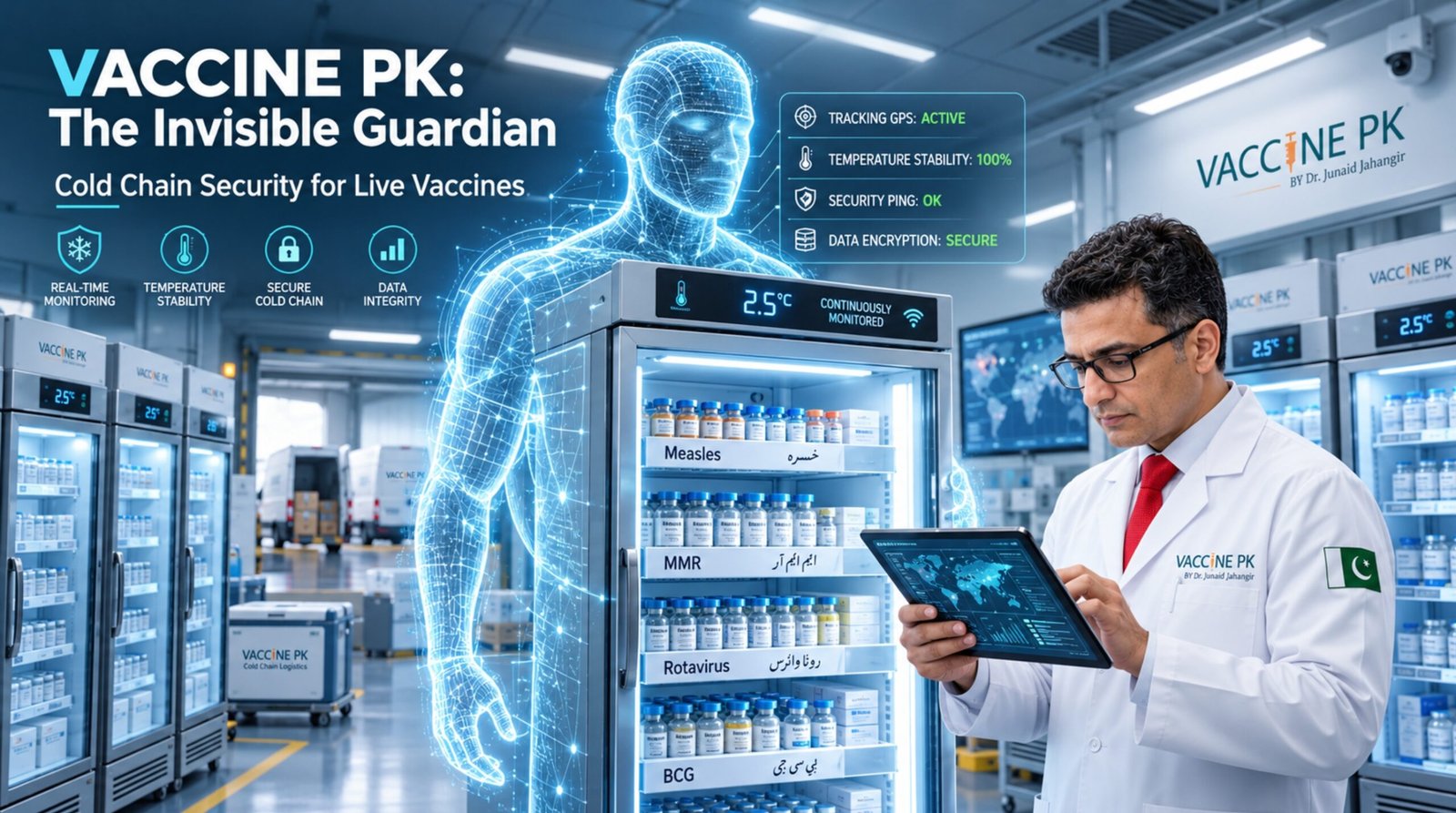
Live Vaccines (OPV, Rotavirus, MR/MMR, BCG): Are exquisitely sensitive to heat. If they get too warm during an Islamabad power outage, the live viruses die (denature), offering zero protection.
Inactivated Adjuvanted Vaccines (Pentavalent, Hexaxim, PCV, Hep B, TCV, IPV): Are catastrophically sensitive to freezing. If they are stored in a standard kitchen fridge and drop below 0°C, the aluminum particles permanently clump together, destroying the vaccine and causing severe muscle lumps.
The JJ Medics Zero-Compromise Policy
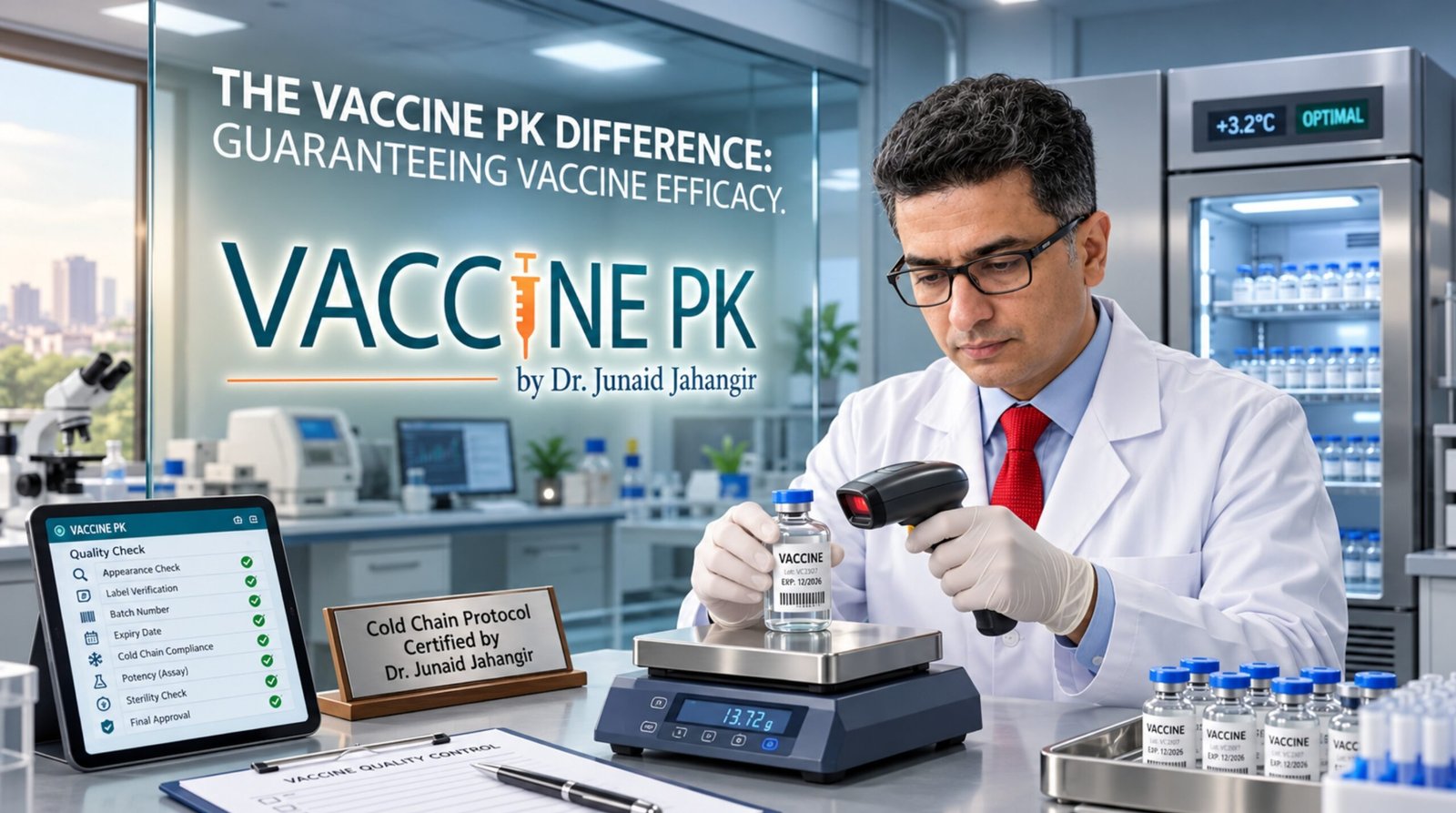
To guarantee the potency of every single route and schedule, Dr. Junaid Jahangir Abbasi has instituted a zero-compromise policy at JJ Medics. We never utilize domestic refrigerators.
Our facility is exclusively equipped with advanced, medical-grade Ice-Lined Refrigerators (ILRs) that are fully certified by the World Health Organization (WHO). These specialized units feature dense polyurethane insulation and an internal lining of heavy ice packs. This brilliant engineering guarantees that the internal temperature remains strictly locked in the exact safe corridor of +2°C to +8°C.
Even during the most severe, prolonged summer load-shedding in the twin cities, our solar-backed ILRs maintain perfect thermal stability for up to 15 hours without grid electricity.
Furthermore, our clinical staff will physically show you the Vaccine Vial Monitor (VVM)—the heat-sensitive chemical label on the vial—before administering any drops or injections. We want you to see undeniable visual proof that the cold chain was never broken, ensuring the vaccine your child is receiving is 100% potent.
Conclusion: Empowered Parenting Through Knowledge
The routine pediatric immunization schedule is the greatest public health triumph in human history. The meticulously planned timeline from birth to 15 months ensures that your infant is systematically armored against Tuberculosis, Polio, Hepatitis B, Diphtheria, Tetanus, Whooping Cough, Pneumonia, severe Gastroenteritis, Measles, Rubella, and Typhoid.
By understanding why a vaccine is given at 6 weeks versus 9 months, and why it is dropped into the mouth versus injected into the muscle, you transform a frightening clinical visit into a confident, informed medical decision.
When you combine this deep understanding with the premium private sector upgrades available at JJ Medics—swapping painful whole-cell vaccines for painless Hexaxim, upgrading to broader pneumococcal defense with Prevenar 13, securing mumps protection with the MMR, and guaranteeing absolute cold chain safety—you are providing your child with the absolute highest standard of pediatric care available in the world today.
Navigate Your Child's Schedule with Absolute Confidence
Whether you are bringing your newborn in for their very first birth dose, preparing for the intensive 6, 10, and 14-week core series, or transitioning to the 9-month milestone, Dr. Junaid Jahangir Abbasi and the specialized team at JJ Medics are ready to guide you at every step.
Location: Plot 20, Street 38, Margalla Town Phase 2, Islamabad.
In-Clinic Timings: Monday to Friday, 04:00 PM – 09:00 PM.
Video Consultations: Monday to Friday, 09:00 AM – 09:00 PM.
Book Your Appointment Now: Call us directly at 051-8151800 or use our integrated WhatsApp booking feature on VaccinePK.com to schedule your baby's safe, painless, and stress-free vaccination visit.
]]>