
There is a dangerous, widespread misconception in Pakistan that once a child finishes their preschool booster shots, their immune system is fully protected for the rest of their life. This is biologically incorrect.
As your child transitions from early childhood into adolescence and adulthood, the robust immunity they built during infancy naturally begins to fade. Furthermore, as their bodies grow and their immune systems mature, they require completely different biochemical formulations to safely restore that lost immunity. This is where the Td and Tdap vaccines enter the stage.
At JJ Medics, located in Margalla Town Phase 2, Islamabad, Dr. Junaid Jahangir Abbasi emphasizes that comprehensive pediatric care does not end in early childhood. Adolescent medicine is a highly specialized field, and maintaining an older child’s biological defenses is critical.
We will definitively unpack the Td and Tdap vaccines. We will explore the aggressive nature of Tetanus and Pertussis in older children, decode the exact immunological reasons why the formulation must change at age seven, and outline the precise clinical catch-up protocols for older children and teenagers who have fallen behind on their immunizations.
The Fading Defenses: Why Teenagers Need Boosters
To understand the necessity of the Tdap vaccine, we must first understand the concept of "waning immunity."
When your child receives their primary infant series (such as the Hexaxim 6-in-1 vaccine) and their preschool boosters (DTaP), their adaptive immune system creates a massive army of highly specific antibodies. These antibodies circulate in the bloodstream, ready to instantly neutralize diseases like Diphtheria, Tetanus, and Whooping Cough.
However, antibodies do not live forever. Over the span of 5 to 10 years, if the immune system does not encounter the actual disease, the number of circulating antibodies slowly drops. By the time your child reaches 11 or 12 years of age, their defenses against these specific bacterial toxins can fall below the protective threshold. They become vulnerable once again.
The Teenage Threat Matrix
While teenagers are generally stronger and healthier than infants, they are exposed to entirely different environmental and social risks:
1. Tetanus (The Environmental Threat):
Teenagers in Islamabad and Rawalpindi lead highly active lives. They play cricket in dusty streets, ride bicycles, skateboard, and participate in competitive school sports. This active lifestyle drastically increases their risk of deep cuts, severe scrapes, and puncture wounds.
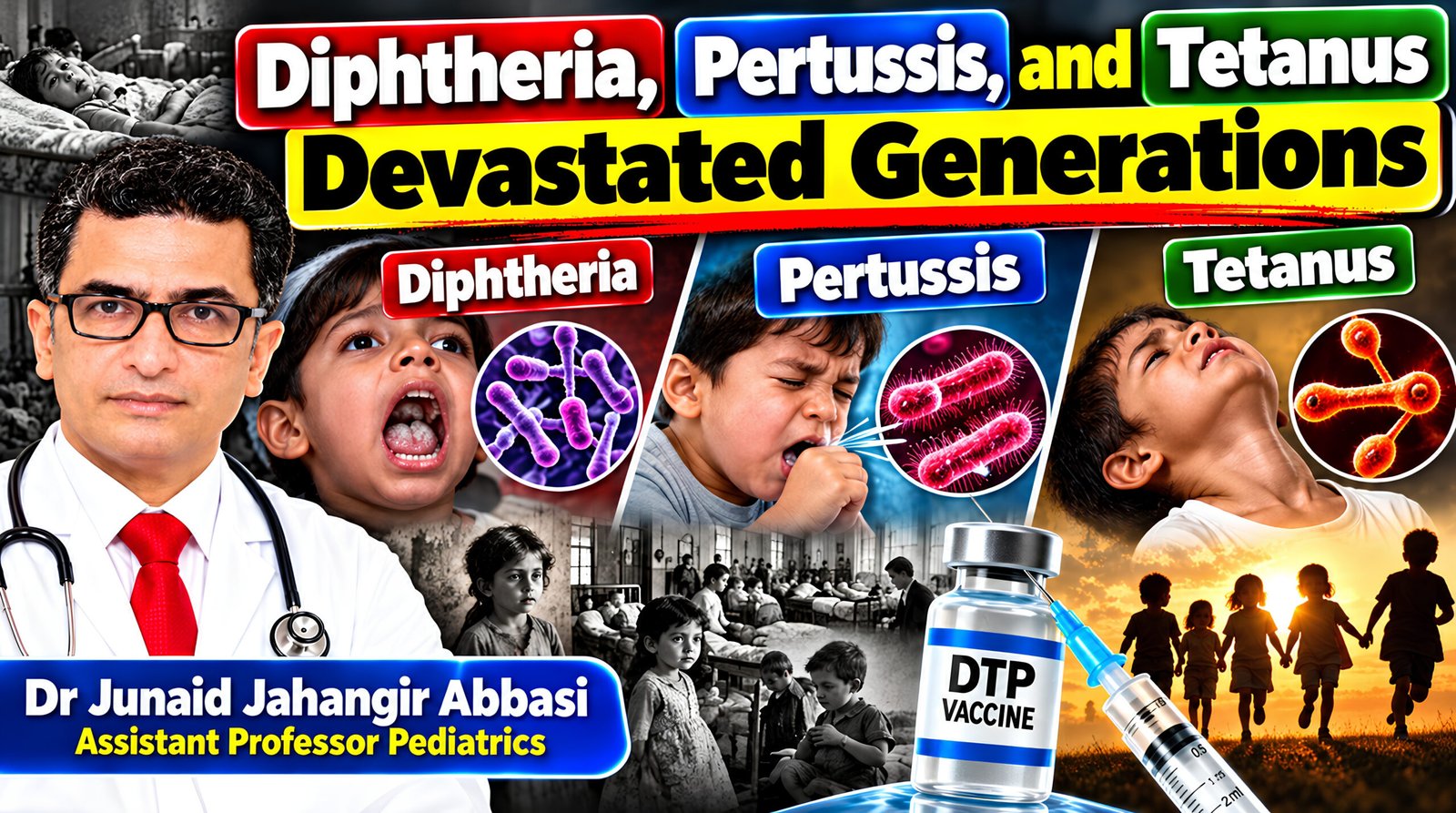
The Clostridium tetani bacteria live as highly resilient spores in soil, dust, and rust. When a teenager sustains a deep, dirty wound, these spores can enter the oxygen-deprived tissue and release tetanospasmin—a lethal neurotoxin. This toxin attacks the central nervous system, causing violent, agonizing muscle spasms (lockjaw) that can fracture bones and paralyze the respiratory system. Because tetanus is everywhere in the environment, maintaining high antibody levels is an absolute, non-negotiable lifelong requirement.
2. Pertussis / Whooping Cough (The Social Threat):
Pertussis is an extraordinarily contagious respiratory infection. In teenagers and adults, it is often referred to as the "100-day cough." While it rarely causes the fatal respiratory failure seen in newborns, it causes severe, prolonged, and violent coughing fits that disrupt sleep, induce vomiting, and can lead to fractured ribs.
A teenager with whooping cough will likely miss weeks of vital school and exams. More dangerously, teenagers act as a primary reservoir for the disease. An infected teenager can easily bring the bacteria home and pass it to a vulnerable newborn sibling or pregnant mother. Vaccinating adolescents against pertussis is a core public health strategy known as "cocooning"—building a circle of immunity around the most vulnerable infants in a household.
3. Diphtheria (The Outbreak Threat):
Diphtheria causes a thick, grey membrane to form in the throat, which can lead to fatal suffocation and heart damage. While rare, localized outbreaks still occur in densely populated areas and crowded high schools where immunity levels have dropped. A booster shot ensures your teenager remains an impenetrable target.
Decoding the Alphabet: The "Age 7" Immunological Shift
If you look at the official Paediatric Catch-up Vaccination Schedule for Pakistan, you will notice a stark, unbendable rule: The formulation changes precisely at age 7.
Under 7 Years Old: We use the pediatric DTaP vaccine.
7 Years and Older (Including Adults): We must exclusively use the Tdap or Td vaccines.
Why Does the Vaccine Change?
The answer lies in the incredible power of a maturing immune system. The pediatric DTaP vaccine contains high concentrations of the Diphtheria toxoid (indicated by the capital 'D') and the Pertussis antigen (indicated by the capital 'P'). This high concentration is necessary to force a baby’s naive immune system to react and build memory.
By the time a child reaches seven years of age, their immune system is robust, mature, and highly reactive. If Dr. Junaid were to inject the full-strength pediatric DTaP dose into an older child, a teenager, or an adult, their immune system would overreact spectacularly. This extreme localized inflammatory response causes massive, painful swelling of the entire arm, extending from the shoulder down to the elbow.
The Tdap / Td Solution
To prevent this severe reactogenicity while still providing the necessary immunological boost, biochemists brilliantly re-engineered the vaccine specifically for older patients.
Understanding Tdap:
T (Capital T): Tetanus. The tetanus toxoid remains at full strength. Tetanus antigens do not cause severe localized swelling, and humans require full-strength tetanus protection throughout their entire lives.
d (Lowercase d): Diphtheria. The concentration of the diphtheria toxoid is drastically reduced (often to one-fifth of the pediatric dose). The lowercase letter visually signifies this reduced dose. It is just enough to trigger a memory boost without causing massive arm swelling.
a (Lowercase a): Acellular. The vaccine uses highly purified, painless technology, completely free of inflammatory whole-cell debris.
p (Lowercase p): Pertussis. The pertussis antigens are also significantly reduced to safely accommodate the mature immune system.
Understanding Td:
The Td vaccine is simply a booster for Tetanus and Diphtheria. It entirely omits the pertussis component. It is frequently used for routine decennial (10-year) tetanus boosters in adults, or as part of a catch-up series where multiple doses are required in a short time frame, and repeated pertussis doses are deemed unnecessary.
The Official Routine and Catch-Up Schedules for Adolescents
Navigating the transition from pediatric to adolescent healthcare can be confusing. Whether your teenager was fully vaccinated as an infant, or whether they completely missed their childhood shots, JJ Medics employs strict, evidence-based protocols to secure their immunity.
1. The Routine Adolescent Booster
If your child received all their primary Hexaxim/Pentavalent doses and their preschool DTaP boosters, their baseline immunity is excellent. However, to combat waning immunity, the global standard of care requires a routine booster during early adolescence.
The 11 to 12-Year-Old Visit: Every pre-teen should receive a single dose of the Tdap vaccine between the ages of 11 and 12.
This single injection rapidly spikes their antibody titers, ensuring they are fully protected against Tetanus, Diphtheria, and Whooping Cough as they enter the high-exposure environments of middle and high school.
After this Tdap dose, individuals require a routine Td booster every 10 years for the rest of their lives to maintain continuous tetanus protection.
2. The Catch-Up Protocol for Older Children (7 to 18 Years)
The official Paediatric Catch-up Vaccination Schedule explicitly addresses children aged 7 to 18 years who present to the clinic with missing or incomplete vaccination records.
The Golden Rule: Never use DTP or DTaP in this age group.
Directive: "Give Td/Tdap and other age-appropriate vaccines as per schedule."
Scenario A: The Completely Unimmunized Teenager
If a 12-year-old child presents to JJ Medics with no history of previous DTP vaccinations, they are completely vulnerable. We cannot just give them one shot; they need a primary series built specifically for their mature immune system.
Dose 1: We administer a single dose of Tdap immediately. This provides baseline protection against all three diseases.
Dose 2: We wait a minimum interval of ≥ 4 weeks. We then administer a dose of Td (Tetanus and Diphtheria).
Dose 3: We wait a minimum of 6 to 12 months after the second dose. We administer a final dose of Td.
This 3-dose accelerated catch-up series successfully builds lifelong systemic immunity, mimicking the protection they should have received as an infant, but utilizing safe, low-dose formulations.
Scenario B: The Partially Immunized Teenager
If a 10-year-old received their infant shots but completely missed their preschool boosters, Dr. Junaid will evaluate their exact vaccination card. Generally, they will simply receive a single catch-up dose of Tdap to instantly restore their immunity, putting them safely back on the standard timeline.
Wound Management: When is an Emergency Tetanus Shot Needed?
Because teenagers are highly prone to physical injuries, parents must understand when an emergency tetanus booster is required.
If your teenager sustains a clean, minor wound (like a simple kitchen knife cut), and they have had a Tdap or Td booster within the last 10 years, they are protected. No extra shot is needed.
However, if your teenager sustains a deep, dirty, or severe wound (such as stepping on a rusty nail, a severe dog bite, a deep puncture wound from a tree branch, or a road rash contaminated with soil):
If they have not had a Tdap or Td booster in the last 5 years, Dr. Junaid Jahangir Abbasi will administer an emergency Td booster immediately. The high risk of the environment dictates that we must artificially spike their antibody levels instantly to neutralize any potential tetanospasmin toxins entering the wound.
The Invisible Shield: Protecting Adjuvanted Vaccines in the Cold Chain
Whether administering a routine 11-year-old Tdap booster or managing a complex 3-dose catch-up series for an unimmunized adolescent, the biological integrity of the vaccine is the most critical factor in the entire clinical process.
The Td and Tdap vaccines are inactivated. They contain purified, dead toxoids (the deactivated toxins of the bacteria). Because these dead toxoids are inherently weak, biochemists must mix them with a highly potent chemical booster called an aluminum adjuvant.
As we have rigorously detailed in our previous clinic guides, aluminum adjuvants are exceptionally delicate and represent the greatest vulnerability in the medical cold chain.
The Permanent Damage of Freezing
Aluminum adjuvants are highly sensitive to cold temperatures. If a substandard clinic stores its Tdap vaccines in a standard domestic kitchen refrigerator, they are playing a dangerous game with temperature fluctuations. If a vial is pushed to the back of the fridge and the temperature drops below 0°C, the vaccine freezes.
When it freezes, a catastrophic molecular event occurs called agglomeration. The microscopic aluminum particles permanently clump together, forming large, heavy masses. When the vaccine inevitably thaws out, these large clumps do not dissolve.
If a doctor injects a freeze-damaged Tdap vaccine into your teenager’s arm:
The teenager's immune system cannot physically process the massive aluminum clumps. They receive absolutely zero immunity against Tetanus, Diphtheria, or Pertussis.
The heavy clumps remain trapped deep inside the deltoid muscle, leading to a hard, painful, permanent nodule, or a severe, sterile abscess that can cause immense pain and may require surgical drainage.
The JJ Medics Zero-Compromise Cold Chain
You cannot visually inspect a vial of Tdap to see if it was frozen during an unannounced Islamabad power outage. You must rely entirely on the technological infrastructure and absolute professional integrity of your pediatric clinic.
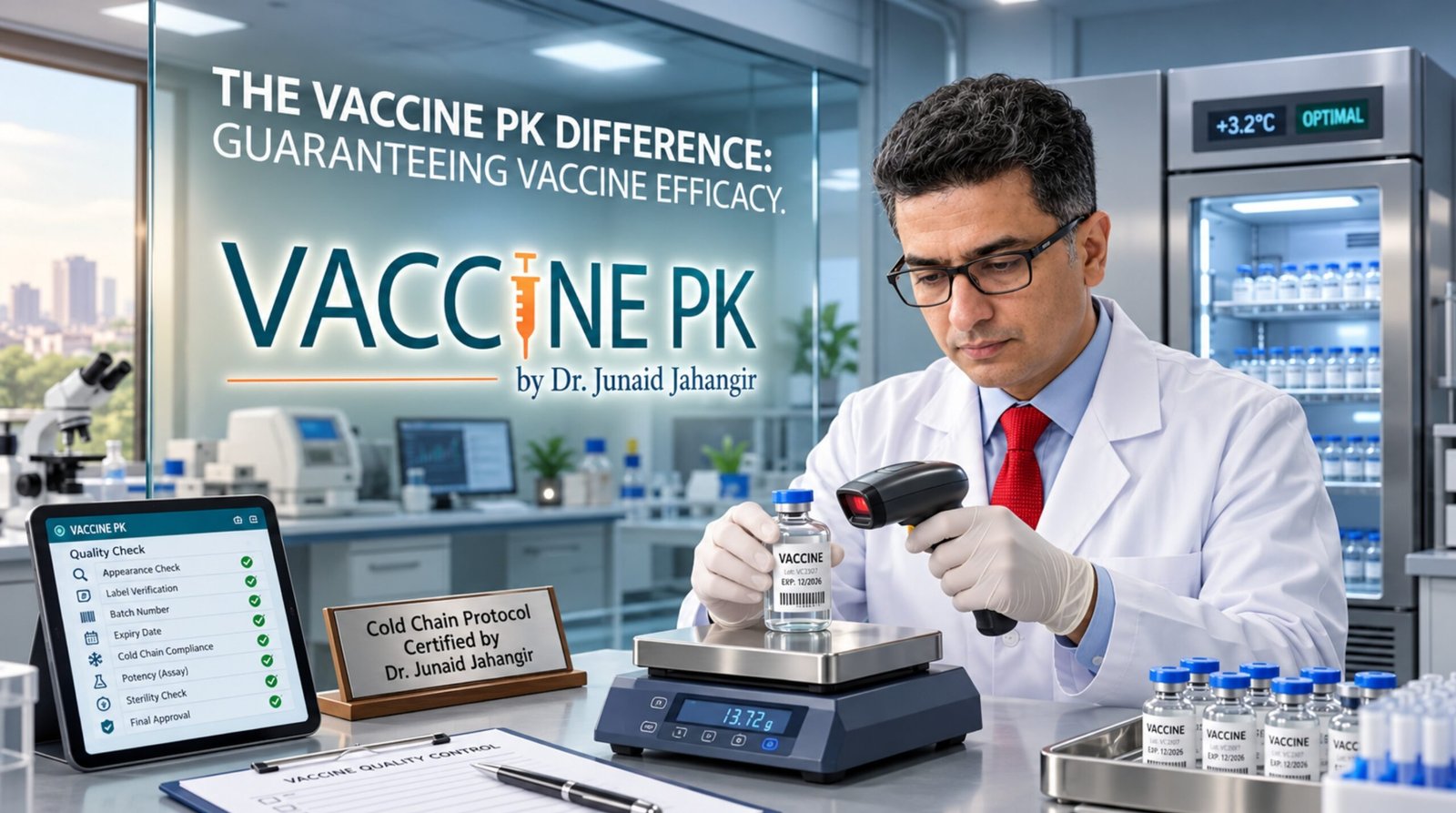
At JJ Medics, we have instituted a zero-compromise policy regarding vaccine storage. We never utilize domestic kitchen refrigerators. Our advanced medical facility in Islamabad is exclusively equipped with Ice-Lined Refrigerators (ILRs) that are fully certified by the World Health Organization (WHO).
These ILRs feature extremely thick polyurethane insulation and an internal lining of specialized ice packs. This brilliant engineering guarantees that the internal temperature remains strictly locked in the exact safe corridor of +2°C to +8°C. Even during the most severe, prolonged summer load-shedding in the twin cities, our solar-backed ILRs maintain perfect thermal stability for up to 15 hours without a single drop of grid electricity.
Supported by 24/7 continuous digital temperature loggers, we guarantee that every single dose of Tdap or Td your teenager receives is biologically flawless, perfectly potent, and incredibly safe.
Conclusion: Empowering Adolescent Health
Pediatric care is a continuous journey that does not end when your child learns to walk or enters primary school. As your child grows into adolescence, their independence increases, but so does their exposure to environmental and social pathogens.
The Td and Tdap vaccines represent the pinnacle of age-specific immunological engineering. By drastically reducing the diphtheria and pertussis components (the lowercase 'd' and 'p'), scientists ensured that we can safely and painlessly boost your teenager's immunity without triggering the massive inflammatory reactions seen in older, whole-cell vaccines.
Understanding the strict "Age 7 Shift" and adhering to the 11-12 year routine booster schedule ensures that your teenager remains an impenetrable target against lockjaw, severe respiratory infections, and the debilitating 100-day cough.
Furthermore, by choosing a clinic that prioritizes flawless, zero-compromise cold chain security, you guarantee that the biological shield entering your child's body is as strong as the science intended.
Secure Your Teenager’s Defenses Today
Do not let waning immunity leave your older children vulnerable to aggressive bacterial threats. Whether your pre-teen is due for their routine 11-year Tdap booster, your teenager has suffered a deep puncture wound requiring emergency tetanus care, or you need to design a safe, accelerated catch-up plan for an unimmunized adolescent, Dr. Junaid Jahangir Abbasi and the specialized team at JJ Medics are ready to provide world-class, comprehensive care.
Location: Plot 20, Street 38, Margalla Town Phase 2, Islamabad.
In-Clinic Timings: Monday to Friday, 04:00 PM – 09:00 PM.
Video Consultations: Monday to Friday, 09:00 AM – 09:00 PM.
Book Your Appointment Now: Call us directly at 051-8151800 or use our integrated WhatsApp booking feature on VaccinePK.com to schedule your adolescent’s stress-free vaccination visit.
]]>