
Welcoming a newborn into the world is an experience filled with immense joy, but it also brings a profound sense of responsibility. As a parent in Pakistan, one of the most critical early decisions you will make regarding your child’s health is their immunization schedule. Vaccines are the invisible shields that protect your infant’s developing immune system against severe, life-threatening infectious diseases.
However, navigating the landscape of pediatric immunizations in Pakistan can be overwhelming. Parents are frequently faced with confusing medical jargon and difficult choices: Should you rely solely on the government-provided schedule, or should you opt for private, “painless” vaccines? What happens if you miss a scheduled dose? And how can you be certain that the vaccines being administered have been stored safely?
At JJ Medics, located in the heart of Margalla Town Phase 2, Islamabad, Dr. Junaid Jahangir Abbasi and his dedicated medical team prioritize your child’s health and your peace of mind.
We will explore the vital differences between standard and painless vaccines, delve into advanced pneumococcal and mumps protection, and provide a clear roadmap for catch-up schedules if your child misses a dose.
Understanding the Routine Immunization Landscape in Pakistan
To make informed decisions about your child’s healthcare, it is essential to first understand how routine immunizations are structured in our region. The pediatric healthcare infrastructure in the twin cities of Rawalpindi and Islamabad operates through two primary avenues: the public health sector and advanced private pediatric clinics.
The Role of the Expanded Programme on Immunization (EPI)
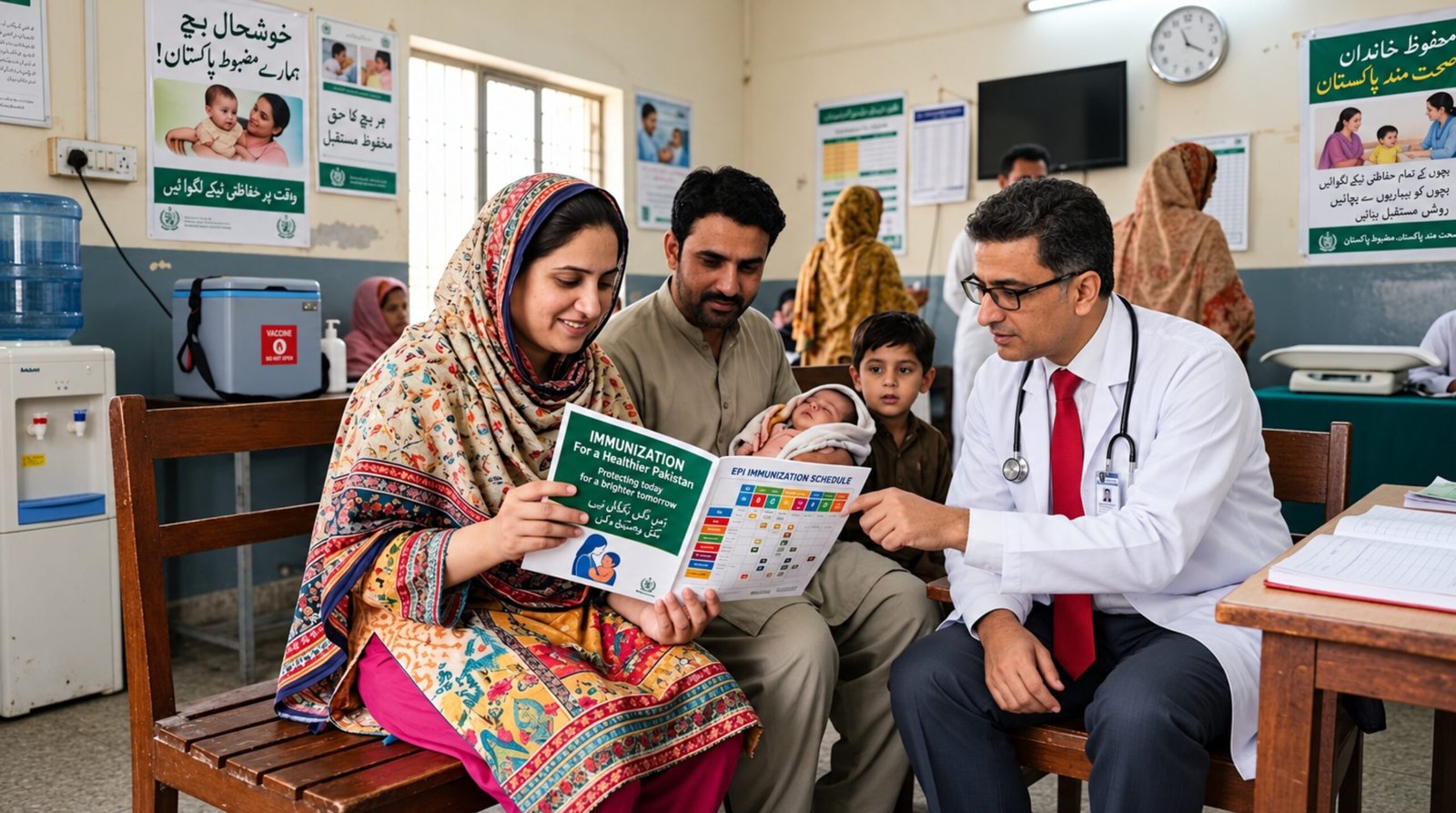
The Expanded Programme on Immunization (EPI) is a government-mandated initiative launched in 1978 in collaboration with the World Health Organization (WHO). Its primary goal is to provide basic, foundational immunity to children across the country free of charge. Over the decades, the EPI has been highly successful in reducing childhood mortality by systematically introducing vaccines against tuberculosis, polio, diphtheria, pertussis (whooping cough), tetanus, Hepatitis B, Haemophilus influenzae type b (Hib), pneumonia, and measles.
The standard EPI schedule requires mothers to bring their infants for clinical visits at birth, 6 weeks, 10 weeks, 14 weeks, 9 months, and 15 months. While this program provides an excellent and necessary foundation for public health, it is designed for mass, cost-effective distribution.
Why Parents are Shifting to Private Pediatric Clinics
While the EPI provides necessary interventions, modern medical advancements have led to the development of premium vaccine formulations that are currently only available in the private sector. Private pediatric clinics, such as JJ Medics, offer parents the option to upgrade their child’s protection.
The shift toward private clinics is driven by three main factors:
- Enhanced Comfort: The availability of acellular “painless” vaccines that dramatically reduce post-injection fever, swelling, and infant distress.
- Broader Immunological Coverage: Access to higher-valent vaccines (like Prevenar 13) and trivalent vaccines (like the MMR) that protect against a wider array of bacterial strains and viruses not covered by the standard government schedule.
- Clinical Environment and Cold Chain Security: Private clinics often employ advanced, WHO-standard Ice-Lined Refrigerators (ILRs) and digital monitoring to ensure vaccines are never compromised by the frequent power outages experienced during Pakistani summers.
Painful vs. Painless Vaccines: What Does It Actually Mean?
One of the most frequent questions Dr. Junaid Jahangir Abbasi receives during pediatric consultations is, “What is the difference between a painful and a painless vaccine?”
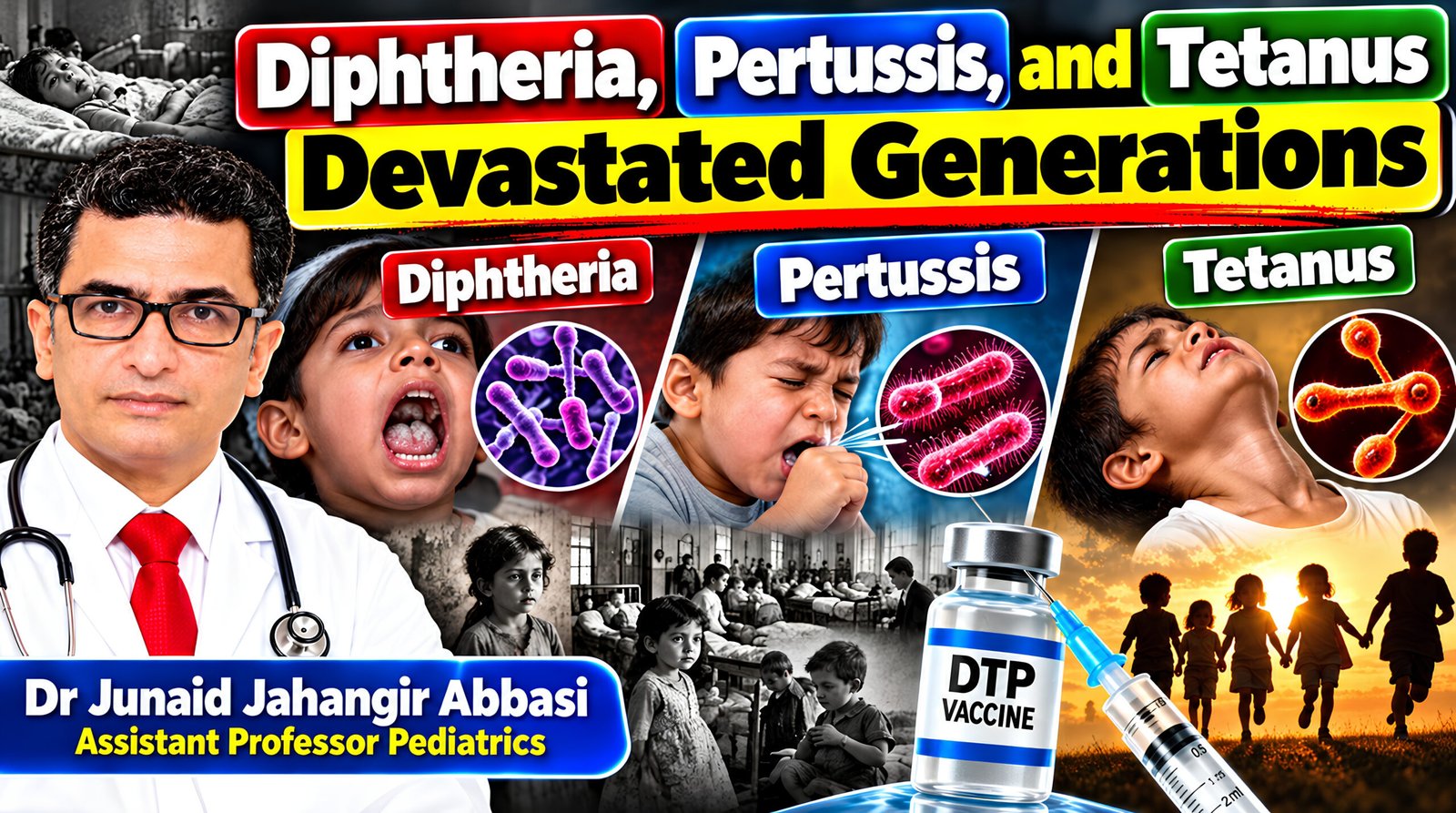
This distinction primarily centers around the vaccine used to prevent Diphtheria, Tetanus, and Pertussis (whooping cough). To understand the difference, we must look at how these vaccines are manufactured.
The Traditional Pentavalent Vaccine (Whole-Cell Pertussis)
In the standard government EPI schedule, infants receive the Pentavalent vaccine at 6, 10, and 14 weeks of age. This is a 5-in-1 combination vaccine. The pertussis component of this vaccine is “whole-cell” (DTwP). This means that the vaccine contains the entire, inactivated (killed) pertussis bacterium.
Because the entire bacterial cell is introduced into the baby’s body, the infant’s immune system mounts a very aggressive and highly inflammatory response. While this creates strong immunity, it is characterized by high reactogenicity. Infants receiving the Pentavalent injection frequently suffer from:
- High-grade fevers (often exceeding 38.5°C).
- Intense localized pain and muscle stiffness at the injection site on the thigh.
- Significant swelling and erythema (redness).
- Prolonged periods of intense crying, irritability, and disrupted sleep lasting up to 48 hours.
The Hexaxim Advantage: The Science of Acellular Pertussis
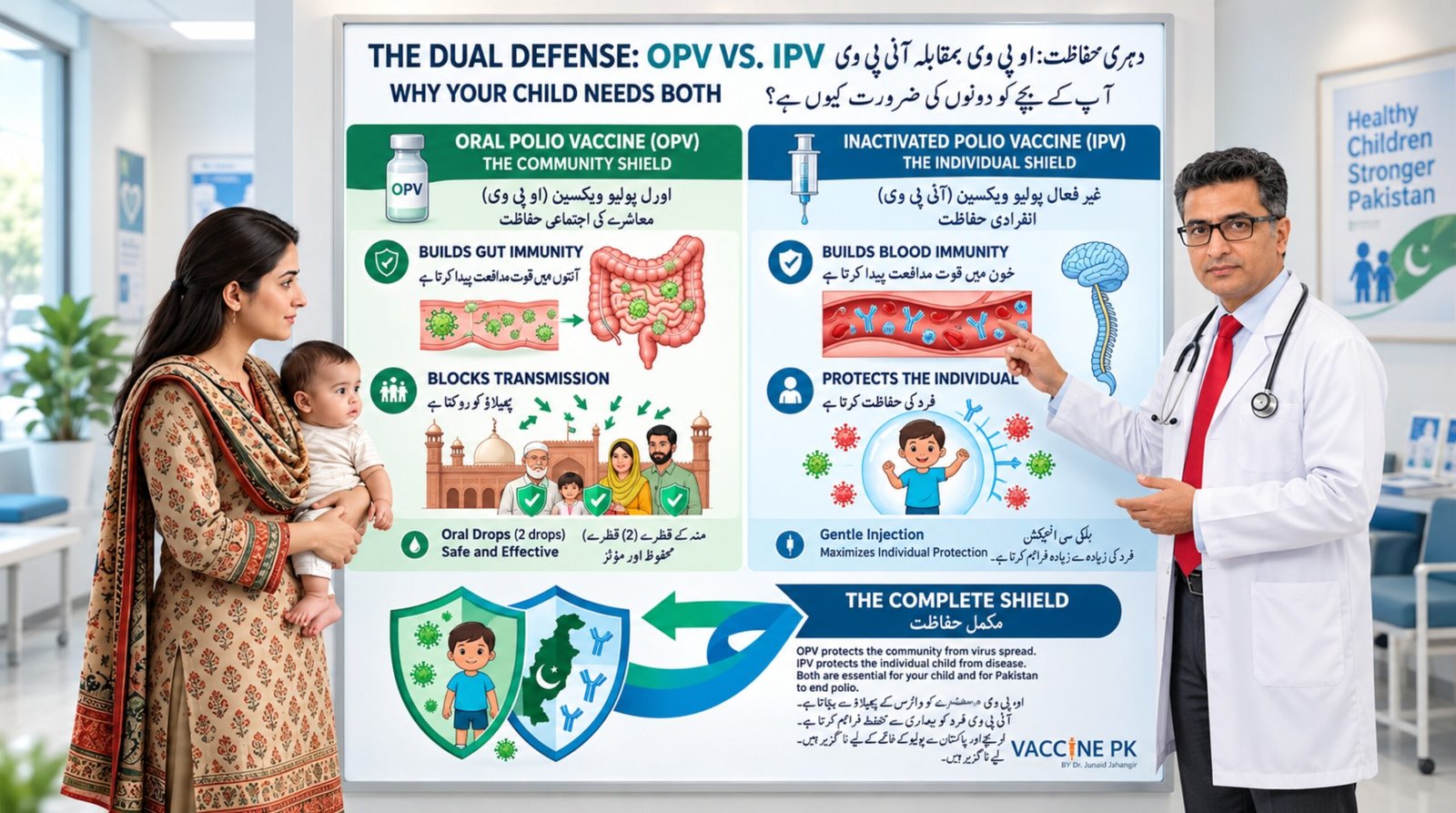
At private clinics like JJ Medics, parents have the option to choose Hexaxim, a premium 6-in-1 hexavalent vaccine. Hexaxim covers Diphtheria, Tetanus, Pertussis, Polio, Hib, and Hepatitis B—all in a single, highly refined injection.
The critical difference is that Hexaxim uses “acellular” pertussis (DTaP). Instead of using the entire dead bacterium, biochemists have extracted and purified only the specific antigenic proteins needed to trigger an immune response, discarding the cellular debris that causes severe inflammation.
Because of this advanced biochemical engineering, Hexaxim is widely referred to as the “painless” vaccine. The benefits for your child include:
- A drastically reduced incidence of post-vaccination fever.
- Minimal to no swelling or redness at the injection site.
- A significantly more comfortable recovery, allowing the baby to sleep peacefully on the night of the vaccination.
- Fewer injections overall, as the Inactivated Polio Vaccine (IPV) is already mixed into the single Hexaxim syringe.
A Cost-Benefit Analysis for Parents
It is important to note that premium acellular vaccines require a financial investment. Currently, Hexaxim is priced at approximately Rs. 6,300 per dose. However, when evaluating the cost, parents must consider the holistic benefits. The reduction in adverse events means fewer sleepless nights for the family, less reliance on pediatric painkillers (like paracetamol), and significantly lower parental anxiety. For many families in Islamabad and Rawalpindi, the peace of mind that comes with a comfortable, fever-free infant is invaluable.
Beyond the Basics: Upgrading Your Child’s Pneumococcal Defense
Pneumococcal disease, caused by the bacterium Streptococcus pneumoniae, is a leading cause of severe childhood illnesses in Pakistan. This aggressive bacterium can cause lobar pneumonia (severe lung infection), bacterial meningitis (infection of the brain’s lining), and acute otitis media (painful middle ear infections).
To combat this, infants must receive the Pneumococcal Conjugate Vaccine (PCV). However, not all pneumococcal vaccines offer the same level of protection.
Analyzing PCV10 vs. PCV13 (Prevenar 13)
The standard government immunization schedule provides the 10-valent pneumococcal vaccine (PCV10, known by the brand name Synflorix). The “10” indicates that the vaccine protects against ten specific strains (serotypes) of the pneumococcal bacteria. While PCV10 offers a strong baseline of defense, epidemiological studies and nasopharyngeal carriage surveillance in Pakistan have revealed a concerning trend.
Researchers have found that two specific, highly aggressive bacterial strains—serotype 6A and serotype 19A—are heavily prevalent in the region and are frequent culprits in invasive childhood diseases. Unfortunately, the standard PCV10 does not provide direct, robust coverage against these two specific strains.
To bridge this dangerous gap, private clinics offer the 13-valent vaccine, known as PCV13 or Prevenar 13. Priced at approximately Rs. 9,180 per dose, Prevenar 13 expands the immunological shield by explicitly targeting 13 bacterial strains, including the critical 6A and 19A serotypes. By upgrading to Prevenar 13, you are providing your child with superior, broader defense against the respiratory and neurological threats most common in our local environment.
The Resurgence of Mumps and the Necessity of the MMR Vaccine
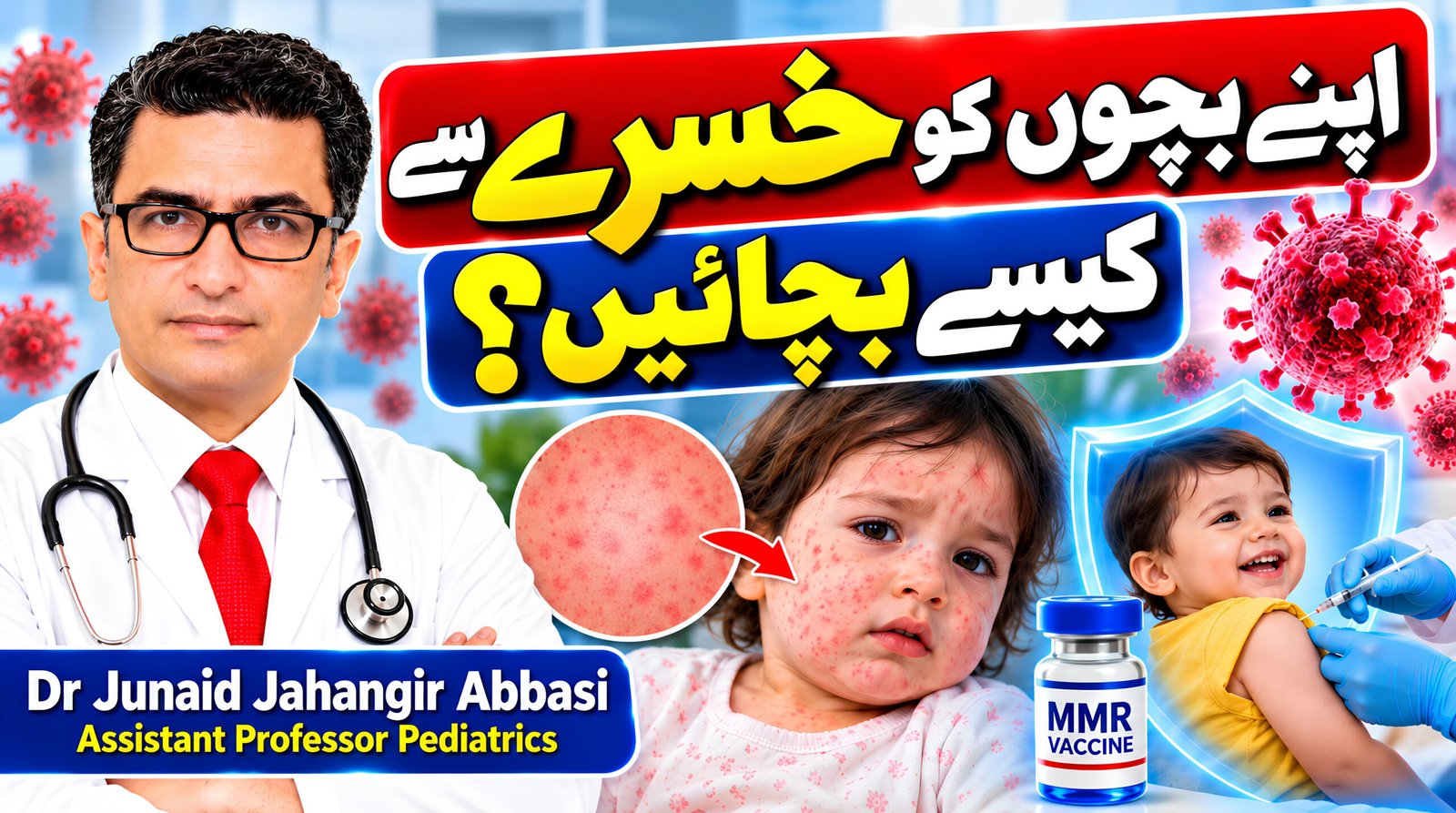
Public health surveillance in Pakistan has recently documented an alarming and unprecedented resurgence in mumps infections. In 2022 and 2023, tens of thousands of pediatric cases were reported across the country, leading to widespread school absences and severe clinical complications.
Mumps is an acute, highly contagious viral illness. It is most easily recognized by the painful swelling of the parotid salivary glands (located just below and in front of the ears), accompanied by a high fever, muscle aches, and profound fatigue. While many view mumps as a mild childhood rite of passage, it carries a high risk of severe, long-term sequelae. Complications can include viral meningitis, permanent sensorineural hearing loss, and orchitis (inflammation of the testicles), which carries a risk of male infertility later in life.
The Vulnerability in the Standard Schedule
This epidemiological spike exposes a critical vulnerability in the standard government immunization schedule. Currently, the national program only administers the MR vaccine at 9 months and 15 months of age. The MR vaccine confers immunity against Measles and Rubella—but it offers absolutely zero protection against the mumps virus. Consequently, large cohorts of children interacting in schools and daycares across Islamabad and Rawalpindi remain entirely susceptible to mumps outbreaks.
The Private Solution: The Trivalent MMR Vaccine
To ensure your child is fully protected, upgrading to the trivalent MMR (Measles, Mumps, Rubella) vaccine is essential. Available at JJ Medics for approximately Rs. 3,997 per dose, the MMR vaccine directly addresses this public health gap.
Dr. Junaid Jahangir Abbasi recommends administering the first dose of the MMR vaccine between 12 to 15 months of age (often given as early as 9 months in endemic regions), followed by a crucial booster dose at 4 to 6 years of age before the child enters primary school. Proactive vaccination with the MMR is the only reliable mechanism to protect your child from this resurgent and painful pathogen.
Navigating Rotavirus Prevention: Strict Age Limits
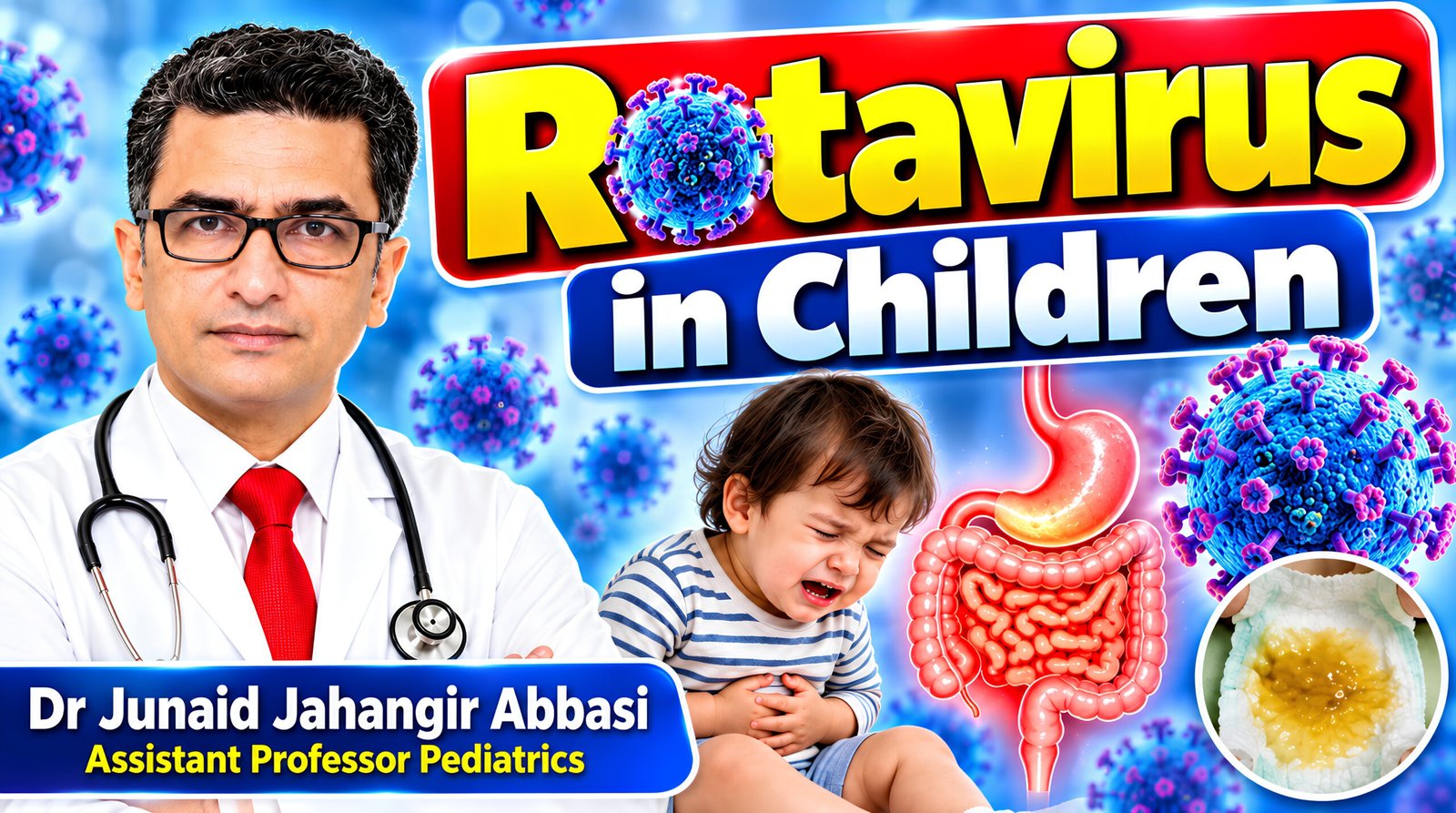
Rotavirus is a highly contagious virus and the primary cause of severe, dehydrating diarrhea and vomiting among infants and young children worldwide. Before the advent of vaccines, nearly every child was infected with rotavirus by the age of five, frequently leading to emergency room visits for intravenous fluid rehydration.
Today, this severe gastrointestinal distress is entirely preventable through the administration of live-attenuated oral rotavirus vaccines. Unlike the injections discussed previously, the rotavirus vaccine is administered painlessly via sweet-tasting drops into the infant’s mouth.
In private clinical practice, two primary formulations are utilized: Rotarix (manufactured by GSK) and RotaTeq (manufactured by Merck). At JJ Medics, we frequently utilize Rotarix, which is priced around Rs. 5,171 per dose. Rotarix is a highly efficient two-dose series, typically administered at 2 and 4 months of age, allowing the infant to achieve complete immunity rapidly.
The Strict Rotavirus Time Bracket
While most vaccines can be given at any age if a dose is missed, the rotavirus vaccine is unique because it operates under extremely strict chronological limits.
Clinical guidelines established by the WHO and the CDC dictate that the initial dose of the rotavirus vaccine must be administered before the infant reaches 15 weeks of age. Furthermore, the entire series (whether two doses of Rotarix or three doses of RotaTeq) must be definitively completed before the infant reaches 32 weeks (approximately 8 months) of age.
Administration of the rotavirus vaccine outside of these strict age windows is clinically contraindicated. This is due to a very rare but serious theoretical risk of a bowel condition called intussusception in older infants. Therefore, timely pediatric consultations during your baby’s first few weeks of life are imperative to ensure this vital protection is not missed.
What Happens if You Miss a Vaccine Dose? (The Catch-Up Guide)
Life is unpredictable. Disruptions to regular pediatric care—whether due to family travel, unexpected infant illness, or systemic emergencies—often result in delayed immunizations. A common source of panic for parents is looking at their child’s vaccination card and realizing they are weeks or even months behind schedule.
The most important thing to remember is this: If your child misses a vaccine at the right time, do not panic, and do not restart the series.
Pediatric specialists like Dr. Junaid Jahangir Abbasi do not need to restart an interrupted vaccine series from the beginning, regardless of how much time has elapsed. Instead, they employ highly structured, scientifically backed “catch-up schedules” to rapidly and safely restore your child’s immunity.
Understanding Minimum Intervals for Accelerated Catch-Up
The architectural foundation of a catch-up schedule relies on the clinical concept of “minimum intervals.” Routine schedules recommend optimal spacing between doses (usually eight weeks for vaccines like Hexaxim and Prevenar 13). This optimal spacing gives the immune system plenty of time to build a robust response.
However, when a child is behind schedule and vulnerable to disease, clinical guidelines allow pediatricians to safely compress these intervals. By applying minimum intervals, doctors can accelerate the immunization process without sacrificing the vaccine’s effectiveness.
For example, if your child’s Hexaxim (DTaP) or Prevenar 13 (PCV) doses are delayed, the next doses can be administered with a minimum gap of just 4 weeks, rather than the standard 8 weeks. This allows the child to “catch up” to their peers in half the time.
Vaccine Series | Standard Recommended Interval | Accelerated Catch-Up Interval |
Hexaxim (Doses 1 & 2) | 8 weeks | 4 weeks |
Prevenar 13 (Doses 1 & 2) | 8 weeks | 4 weeks |
Hepatitis B (Doses 1 & 2) | 8 weeks | 4 weeks |
The 28-Day Rule for Live Attenuated Vaccines
While inactivated vaccines can generally be given at any time, strict physiological rules govern the administration of “live attenuated” vaccines, such as the MMR (Measles, Mumps, Rubella) or the Varicella (Chickenpox) vaccine.
If a child needs multiple different live injectable vaccines, they must either be administered on the exact same day during a single clinical visit, or they must be strictly separated by a minimum of 28 days.
Administering two different live vaccines 10 or 15 days apart introduces the risk of “viral interference.” This means the child’s immune system is so busy reacting to the first vaccine that it destroys the second vaccine before it can create lasting memory cells. If you have missed doses, always consult with JJ Medics so a customized, mathematically compliant catch-up roadmap can be generated for your child.
The Unseen Shield: Vaccine Cold Chain Management in Pakistan
You have chosen the best vaccines and perfectly timed the schedule. However, none of this matters if the biological integrity of the vaccine has been compromised before it reaches your child’s arm.
Vaccines are incredibly fragile, temperature-sensitive biological products. The “cold chain” is the continuous, heavily monitored, temperature-controlled supply chain required to preserve vaccines from the moment they leave the multinational manufacturer’s laboratory to the exact second they are administered in the clinic.
The 2°C to 8°C Mandate
Global health guidelines unequivocally mandate that routine pediatric vaccines must be maintained constantly between +2°C and +8°C. Deviations from this narrow thermal corridor are disastrous. Freeze-sensitive vaccines, like Hexaxim and Prevenar 13, suffer irreversible molecular degradation if exposed to temperatures below freezing (0°C). Conversely, heat exposure rapidly destroys the live viral components in vaccines like the MMR. Once a vaccine is damaged by temperature, it cannot be “fixed” by putting it back in the fridge; it is permanently ruined and will offer your child zero protection.
Overcoming the Power Grid Challenges
Maintaining this flawless infrastructure in regions like Rawalpindi and Islamabad presents significant logistical challenges. Ambient summer temperatures regularly soar above 40°C, and the national electrical grid is subject to frequent load-shedding and unannounced power outages. Standard domestic kitchen refrigerators are entirely inadequate for medical storage because their internal temperatures fluctuate wildly when the door is opened or the power drops.
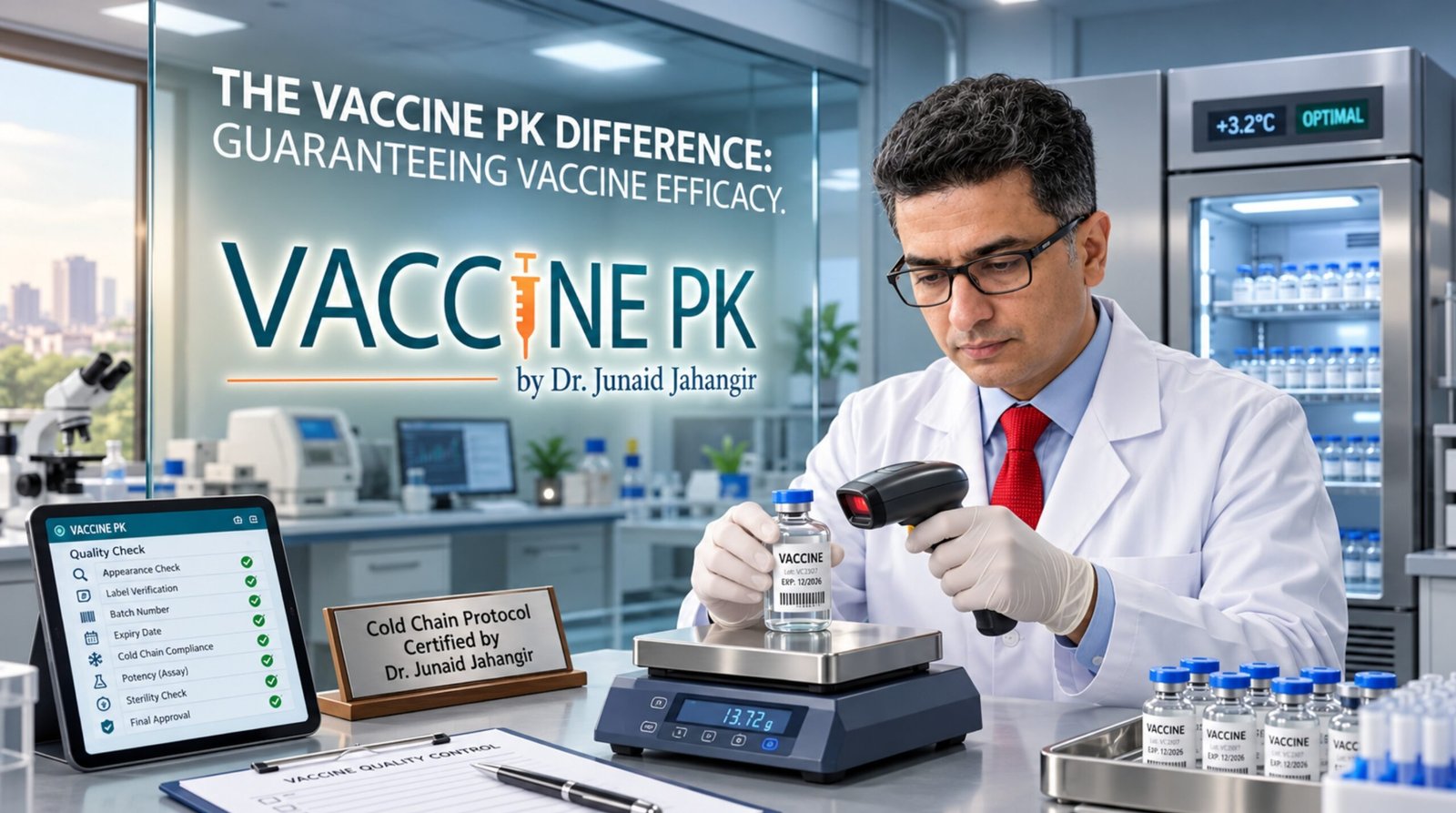
At JJ Medics, we refuse to compromise on cold chain security. To guarantee the potency of every single dose, our clinic is equipped with advanced, WHO-certified Ice-Lined Refrigerators (ILRs). These specialized medical units feature dense thermal insulation and an internal lining of ice packs, allowing them to independently maintain the critical +2°C to +8°C range for up to 15 hours without any electrical power.
Furthermore, our inventory is monitored by continuous digital data loggers. Before administering any injection, our clinical staff physically inspects the Vaccine Vial Monitor (VVM)—a heat-sensitive chemical label affixed to the vial—to visually and definitively verify that the specific dose is safe, potent, and ready to protect your child.
Managing Post-Vaccination Fever and Discomfort at Home
Even with the administration of premium, painless vaccines like Hexaxim, it is entirely normal for an infant to experience a mild immune response. Parents must remember that a mild fever or slight fussiness is not a sign that the baby is “sick.” Rather, it is the physiological proof that the infant’s immune system is actively working—recognizing the vaccine antigens, producing antibodies, and establishing lifelong cellular memory.
The most frequently observed side effects following routine intramuscular injections include a low-grade fever (ranging between 37.5°C and 38°C), mild localized redness at the injection site, and altered sleep or feeding patterns for 24 hours.
Clinical management of these symptoms relies on gentle, supportive care at home. If the infant exhibits signs of discomfort, parents may administer pediatric paracetamol syrup. However, it is critical to adhere strictly to the weight-based dosing guidelines provided by Dr. Junaid Jahangir Abbasi during your consultation. Generally, paracetamol can be administered every 4 to 6 hours, being careful not to exceed four doses within a 24-hour period.
Non-pharmacological interventions are equally helpful. Applying a cool, damp compress to the injection site on the thigh can soothe localized warmth. Ensure the baby remains well-hydrated by increasing the frequency of breastfeeding or formula intake.
Note: If an infant’s fever exceeds 38.5°C, if they become entirely unresponsive to feeding, or if symptoms persist beyond 48 hours, immediate medical evaluation at the clinic is required.
Conclusion: Secure Your Child’s Health with JJ Medics
Navigating the complexities of pediatric vaccinations does not have to be a journey you take alone. From choosing between standard whole-cell vaccines and premium painless acellular formulations, to understanding the nuances of pneumococcal strains and complex catch-up schedules, professional medical guidance is indispensable.
Your child deserves the healthiest, safest, and most comfortable start in life. By opting for premium private vaccines stored in uncompromised, WHO-standard cold chain facilities, you are investing in an invisible, lifelong shield against the world’s most dangerous pathogens.
Are you ready to protect your child today?
Do not delay your infant’s vital immunizations. Book a comprehensive vaccination appointment with Dr. Junaid Jahangir Abbasi at JJ Medics, Islamabad.
- Location: Plot 20, Street 38, Margalla Town Phase 2, Islamabad.
- In-Clinic Timings: Monday to Friday, 04:00 PM – 09:00 PM.
- Video Consultations: Monday to Friday, 09:00 AM – 09:00 PM.
- Book Now: Call us directly at 051-8151800 or use our integrated WhatsApp booking feature on VaccinePK.com.